

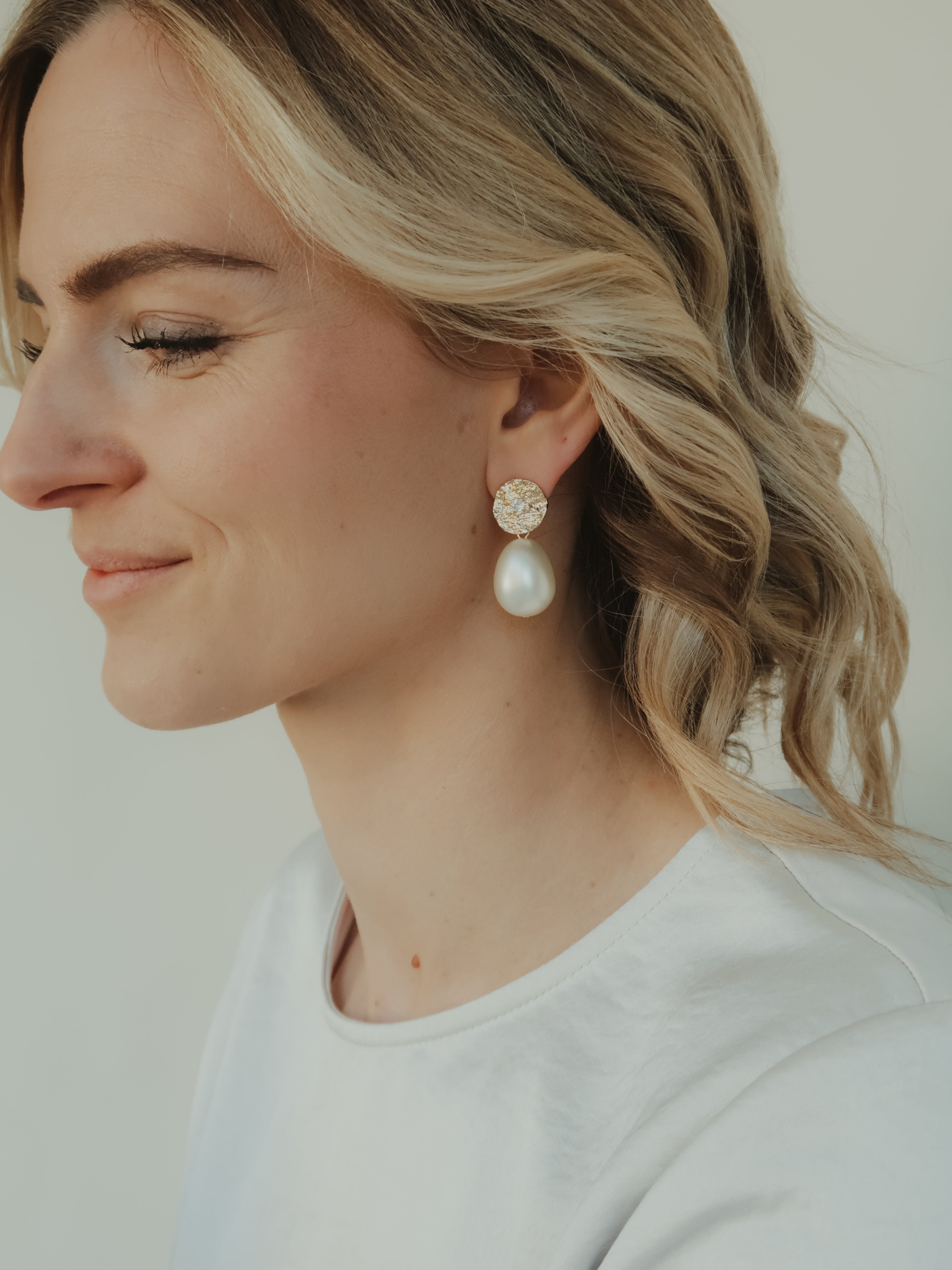
Infected ear piercing: leave the earring in or take it out?
An inflamed ear piercing often raises one sharp question: do you leave the earring in, or do you take it out? The right answer depends on how old your piercing is — and what you decide will determine whether the irritation quickly subsides or gets worse. We'll lay everything out for you, calmly and without panic, so you know what to do today. And we'll also explain how to prevent it from happening again, because that's the real problem for many people.
First, let's calmly assess: what's your situation?
Before you do anything, take a moment to look at three things.
- How old is your piercing? Under 6 weeks = fresh. Months to years = old.
- How severe is the irritation? A slightly pink edge, some sensitivity, and light yellow fluid? This is often part of the normal healing process. Thick, throbbing, yellow-green pus or fever? Then you're in a different scenario (see below).
- What type of earring are you wearing? A lightweight, nickel-free stud is a very different story than a heavy dangle with an unknown alloy. This plays a role in your decision.
With these three elements in mind, you can easily choose the right course of action.
Fresh piercing (less than 6 weeks old): leave the earring in
A new piercing is essentially a wound that heals from the inside out. During healing, the earring acts as a kind of guard that keeps the canal open. If you take it out too early, the outside of the piercing can quickly close up while irritation remains on the inside. This is exactly how embedded earrings occur — a much more painful problem than the original irritation.
For a fresh, slightly inflamed piercing, approach it like this:
- Wash your hands. Seriously, every time. Bacteria under your nails are the biggest culprit.
- Leave the earring in, but don't twist it. In the past, twisting an earring was recommended — that advice is outdated. It breaks open tiny skin capillaries and slows down wound healing.
- Clean 1 to 2 times a day with a mild saline solution. A quarter teaspoon of sea salt in a cup of lukewarm, boiled water. Dab with a clean cotton swab.
- Avoid swimming pools, saunas, makeup, and hairspray near your ear until the irritation is gone.
- Sleep on the other side and keep your hair away from the piercing.
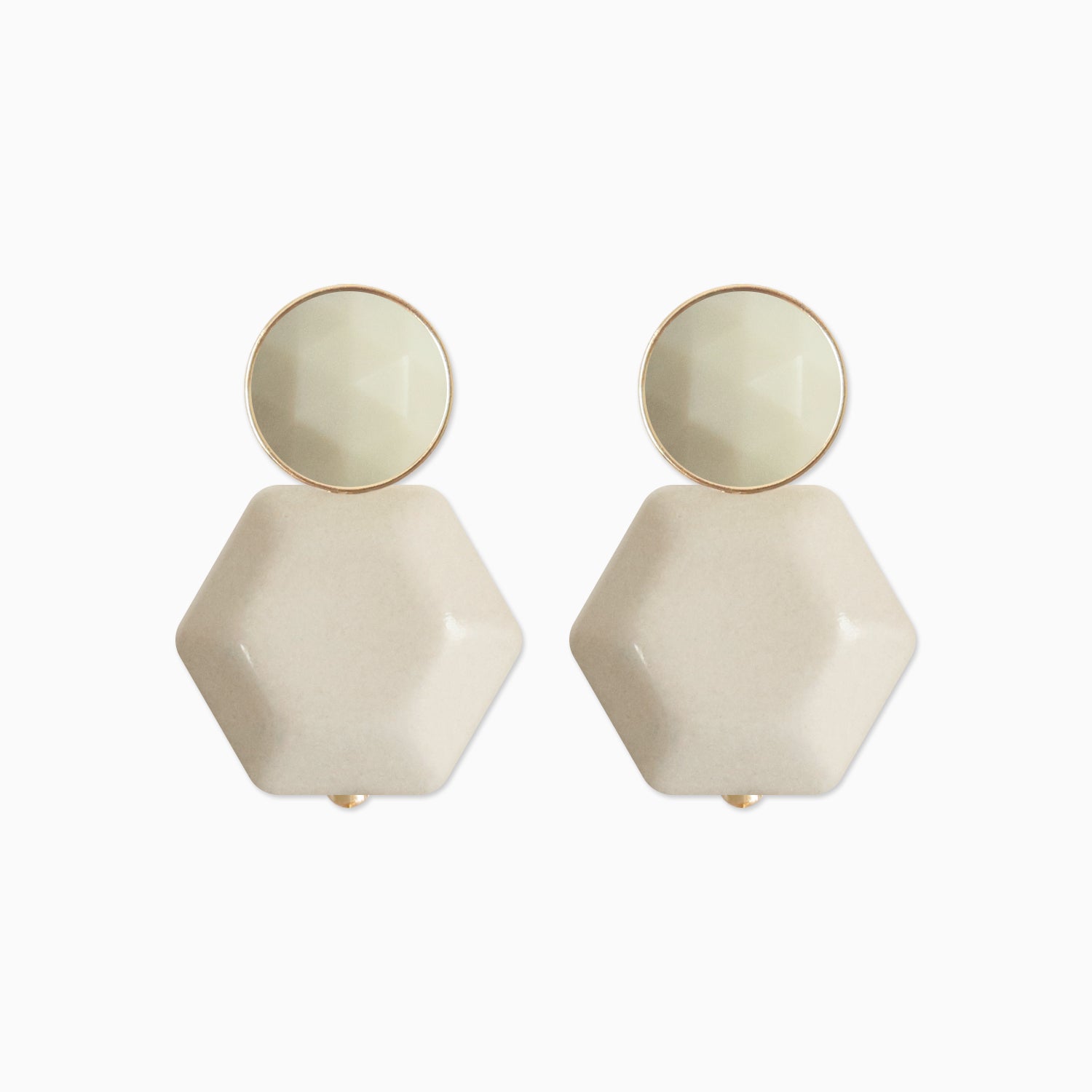
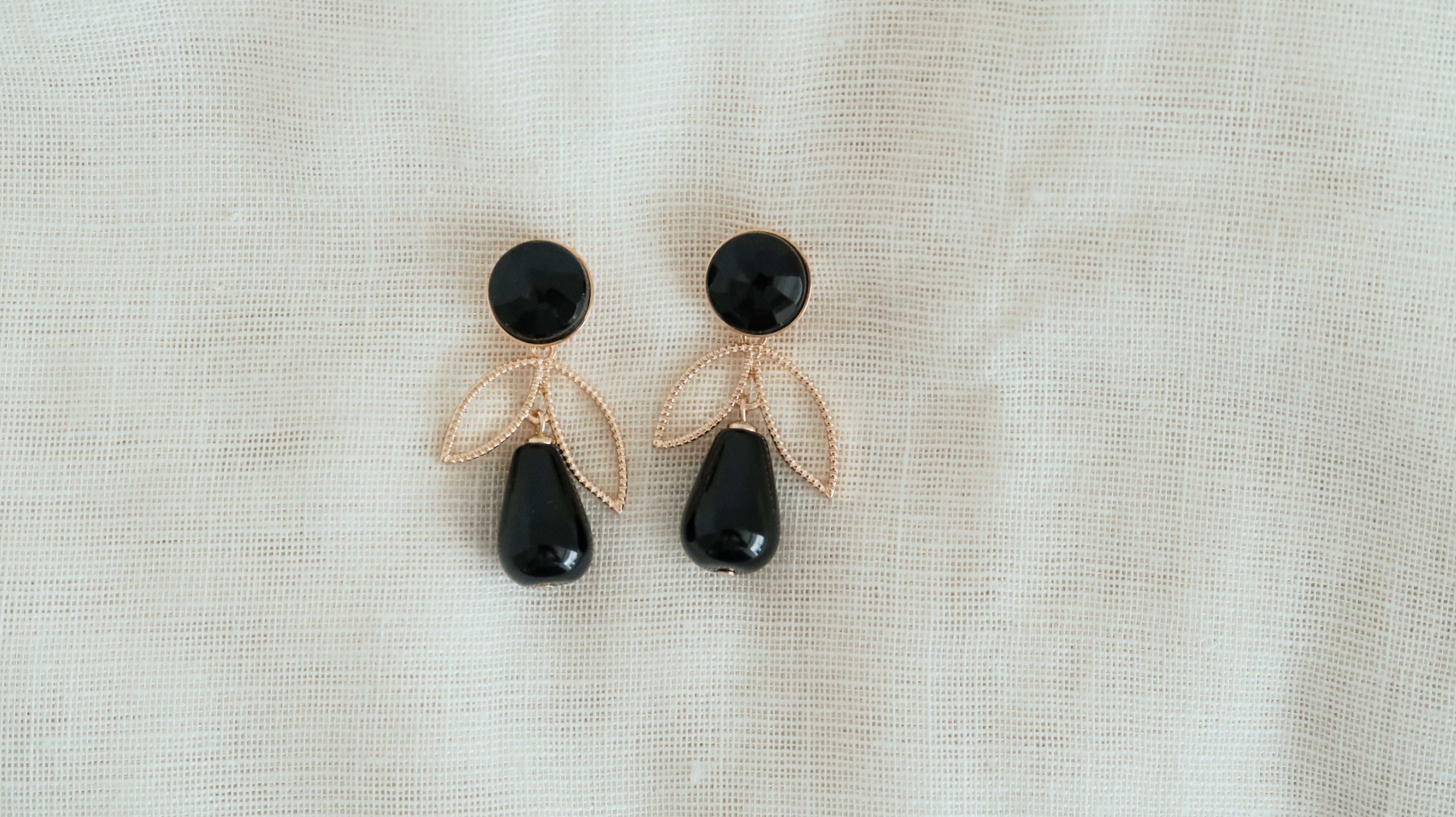
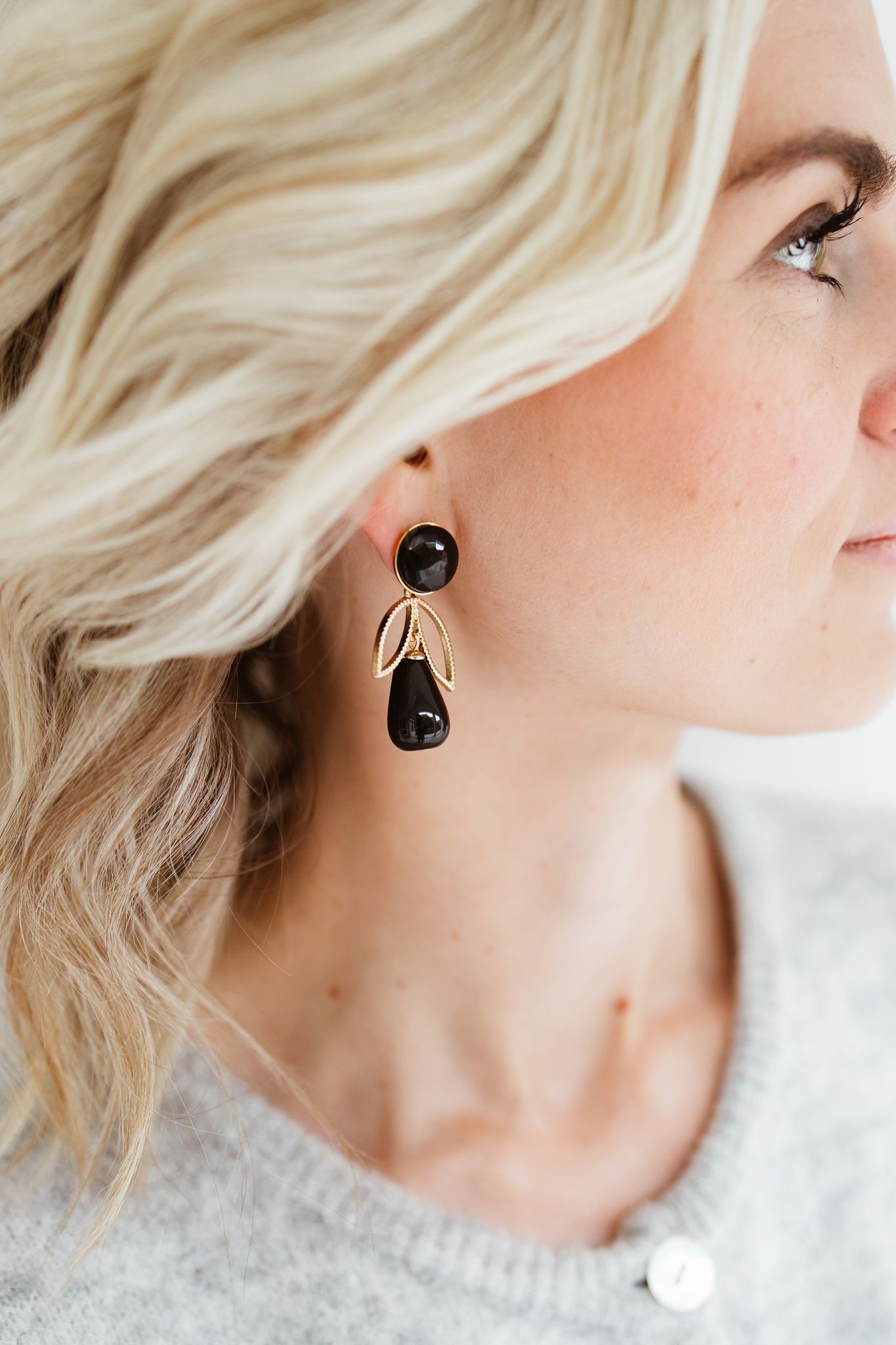
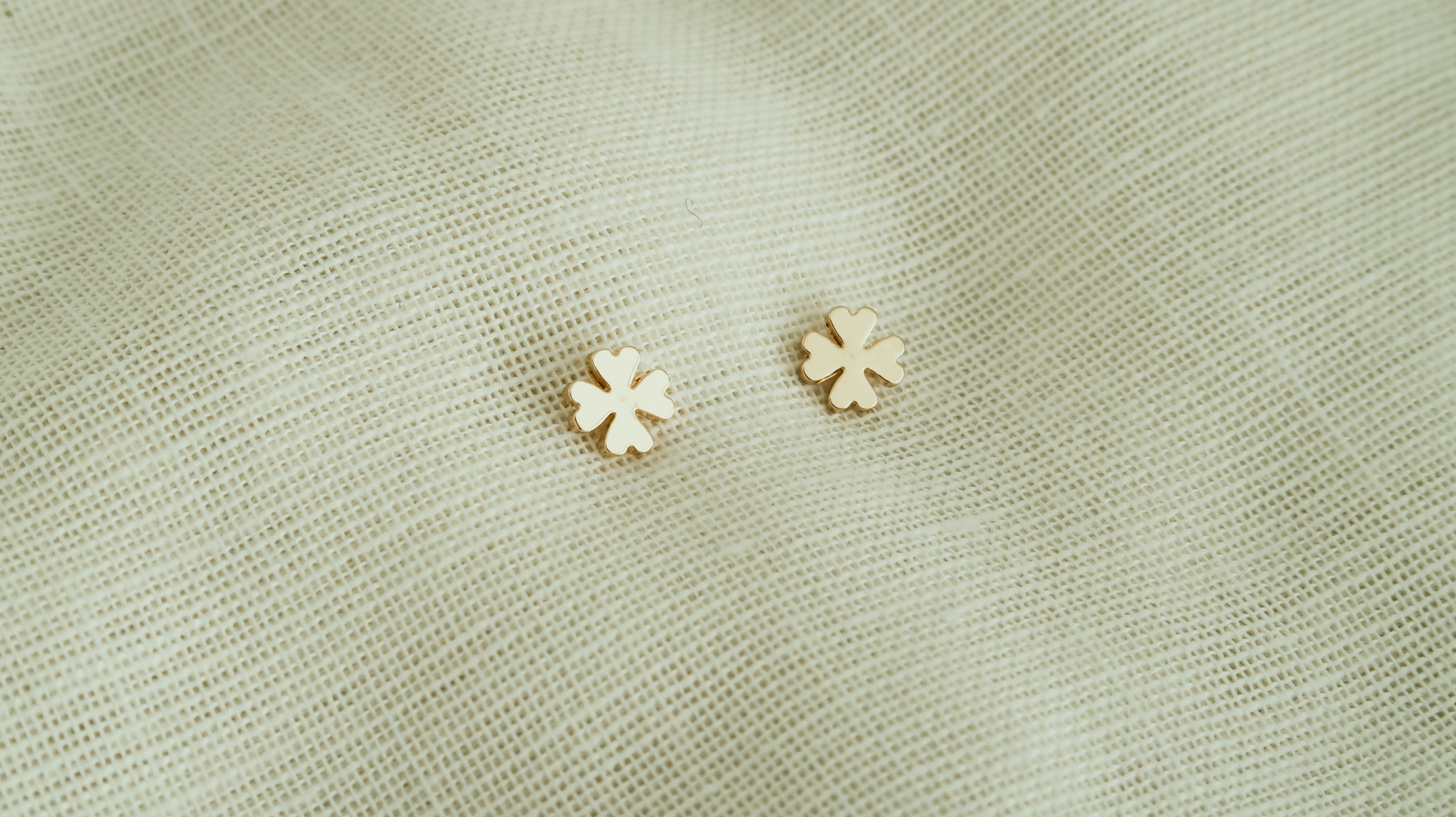
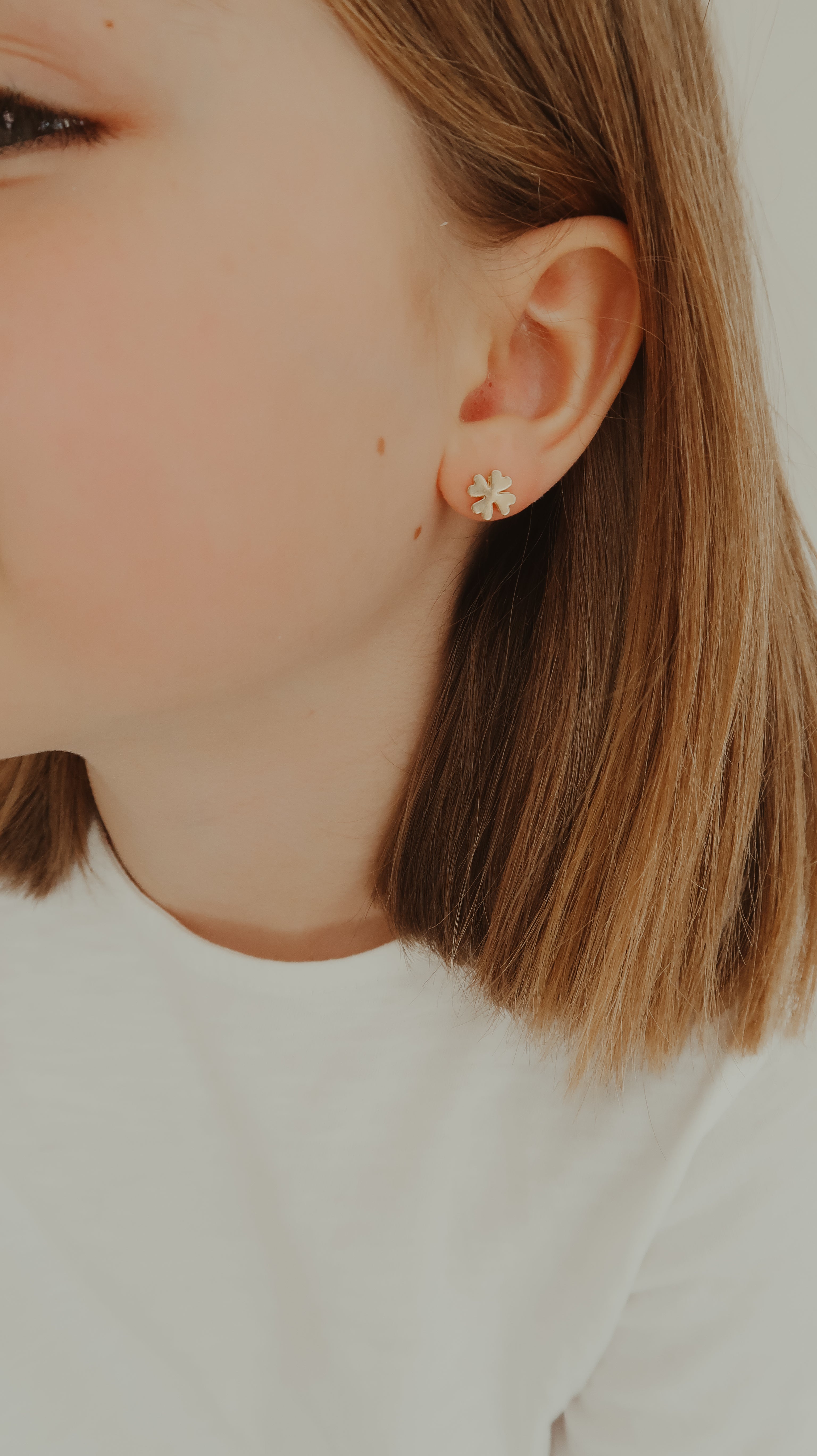
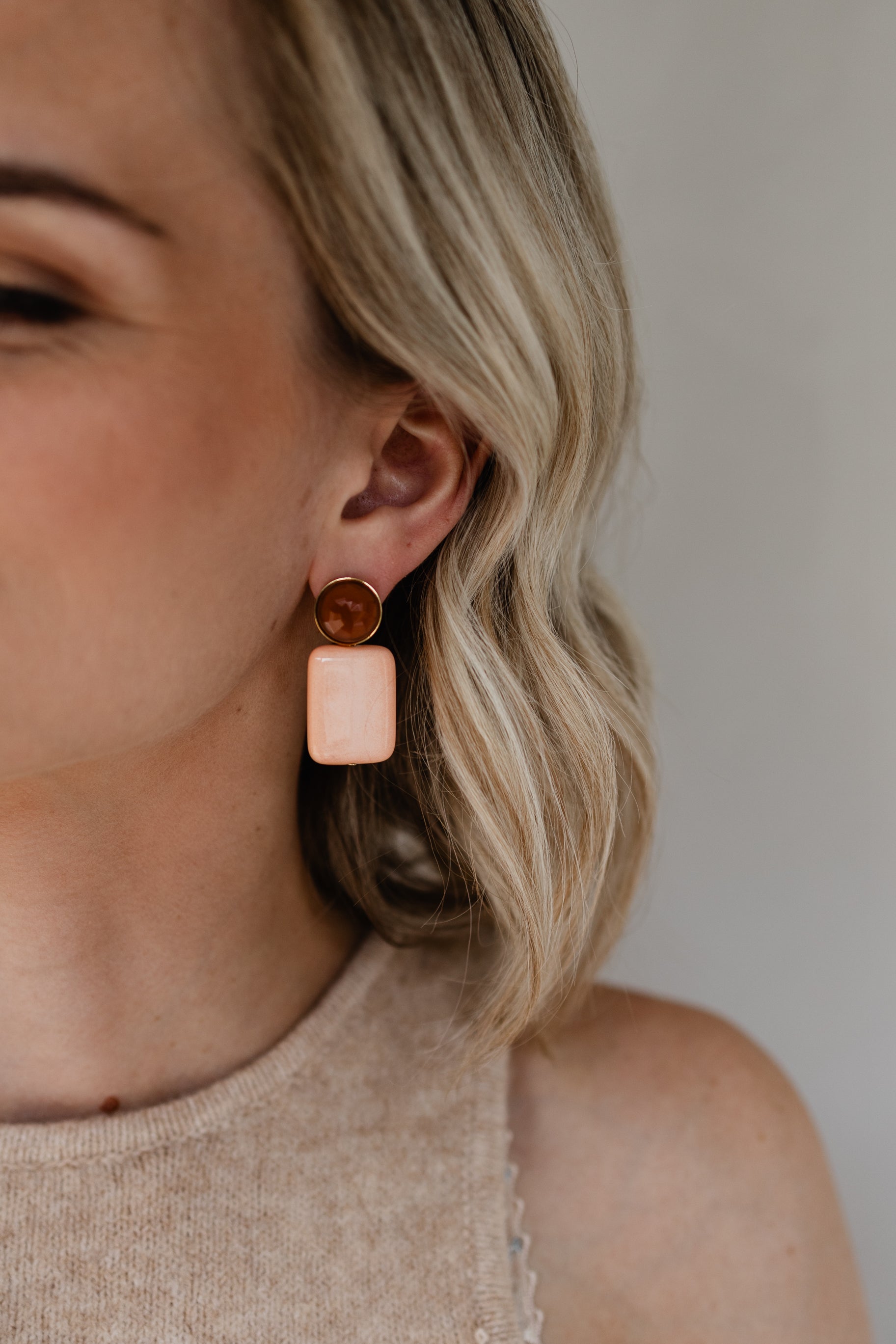
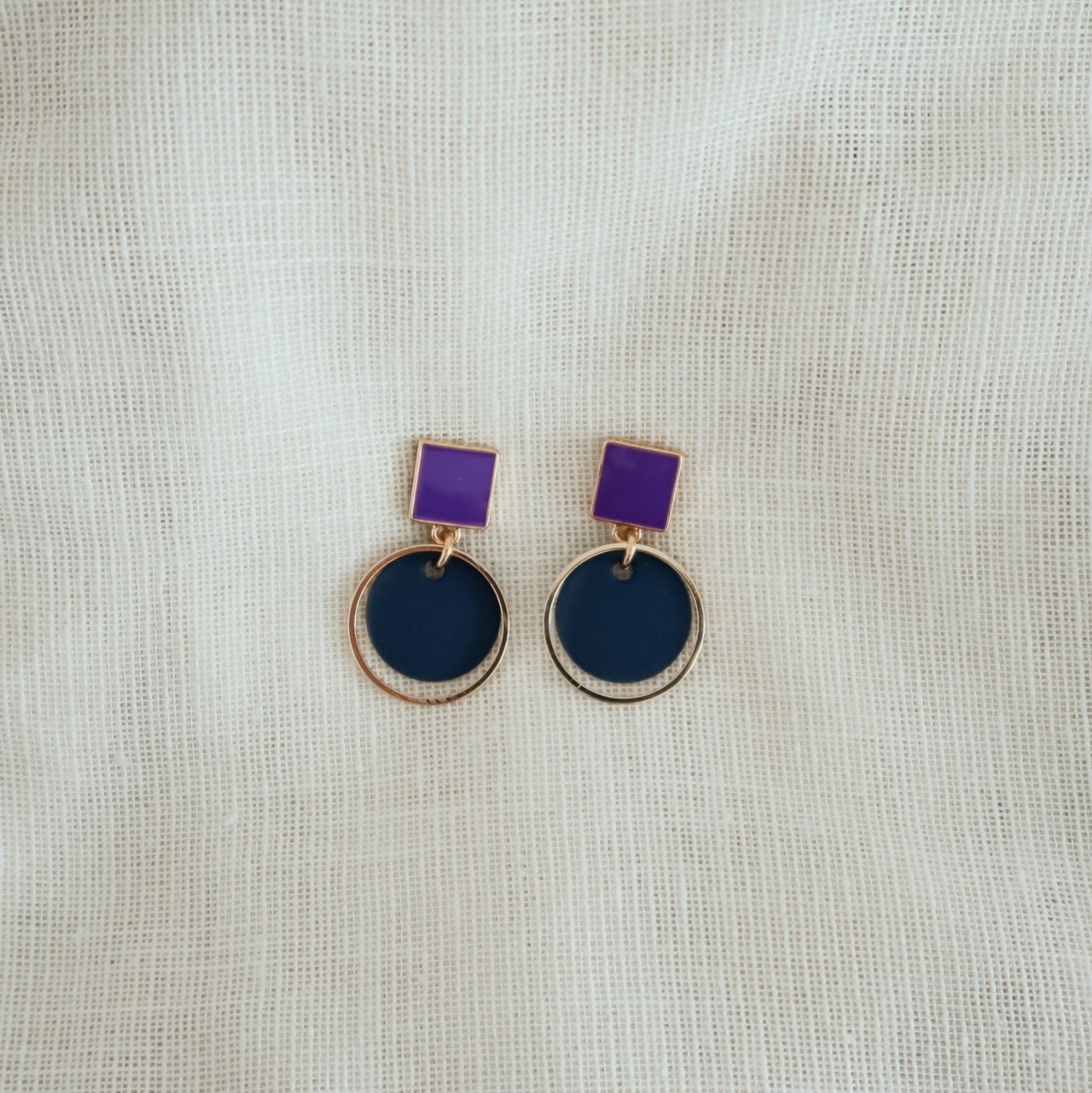
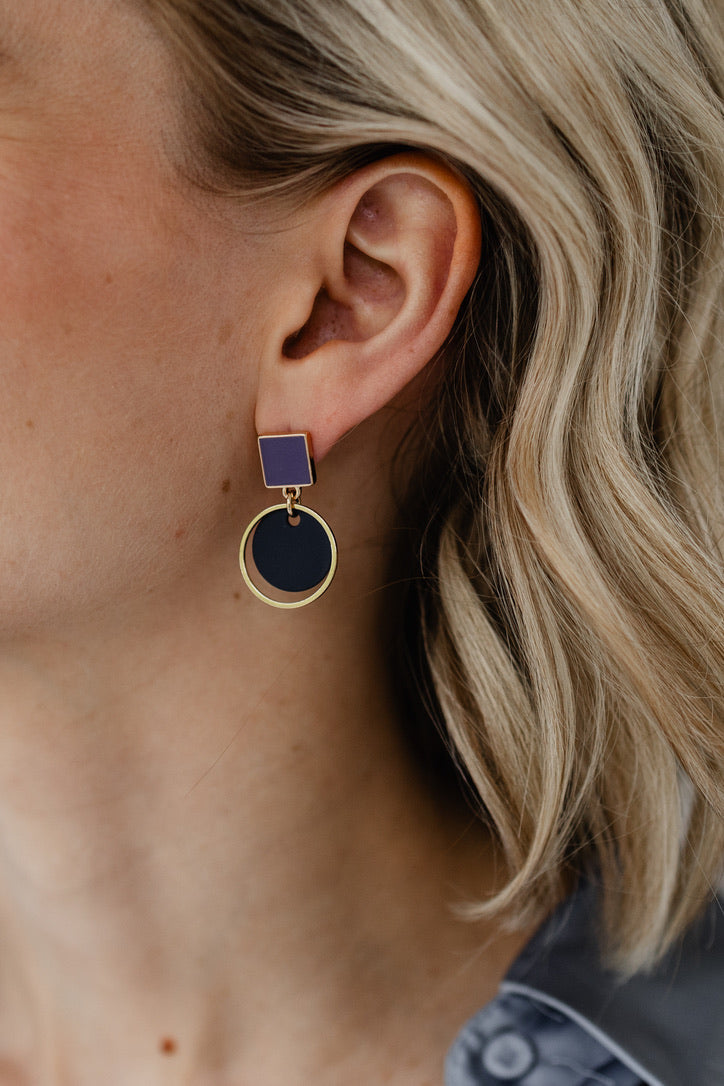
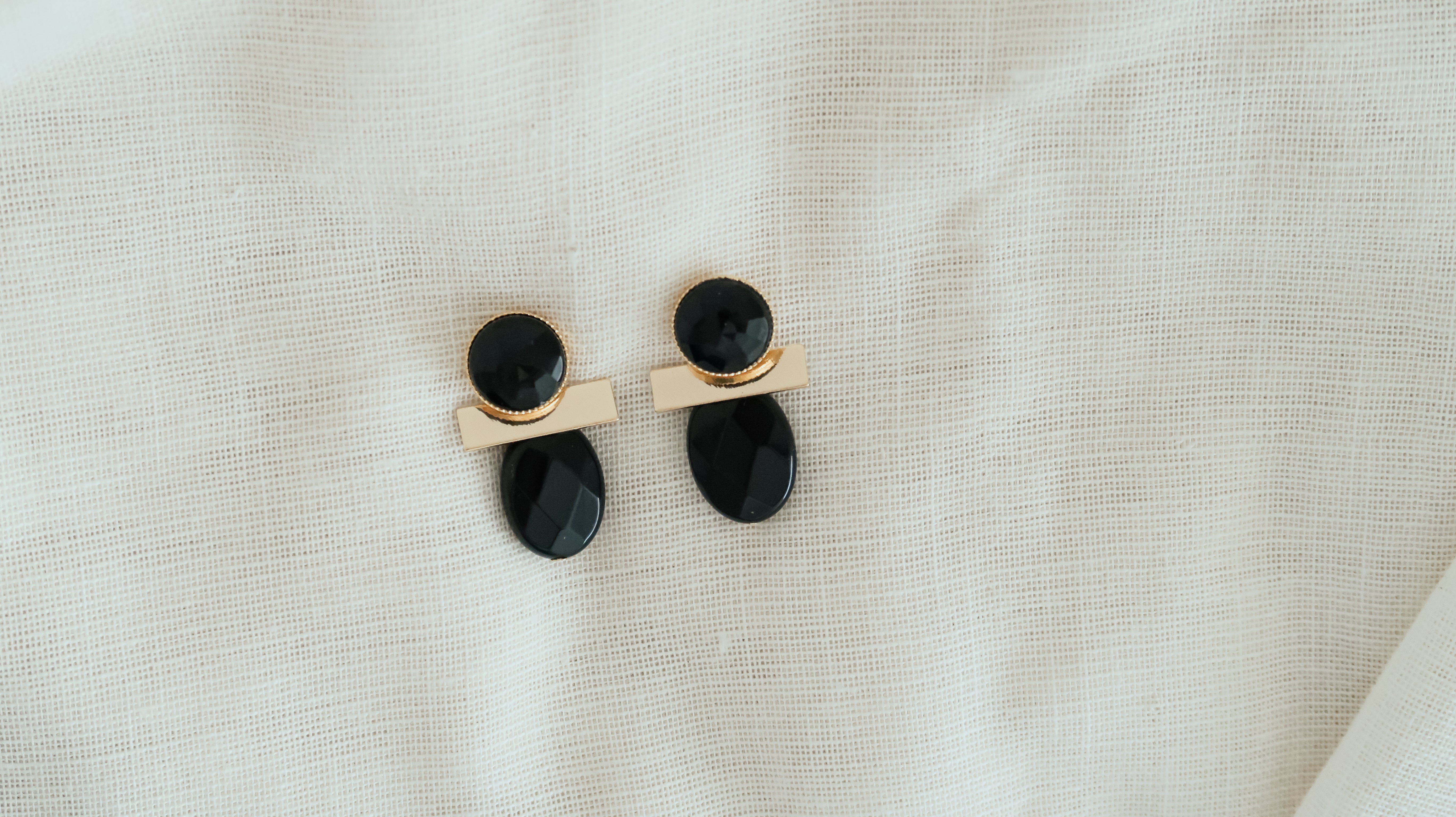
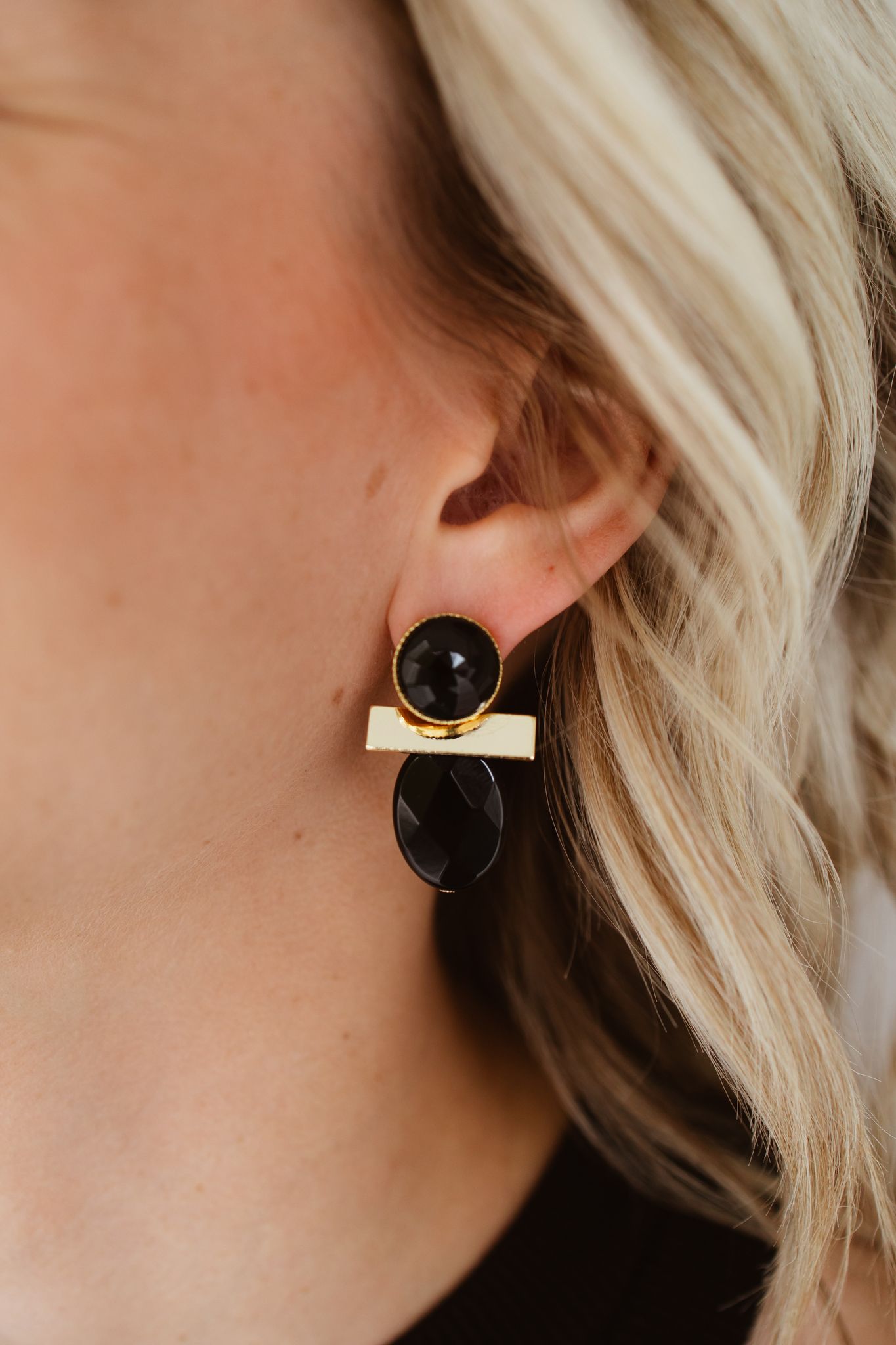
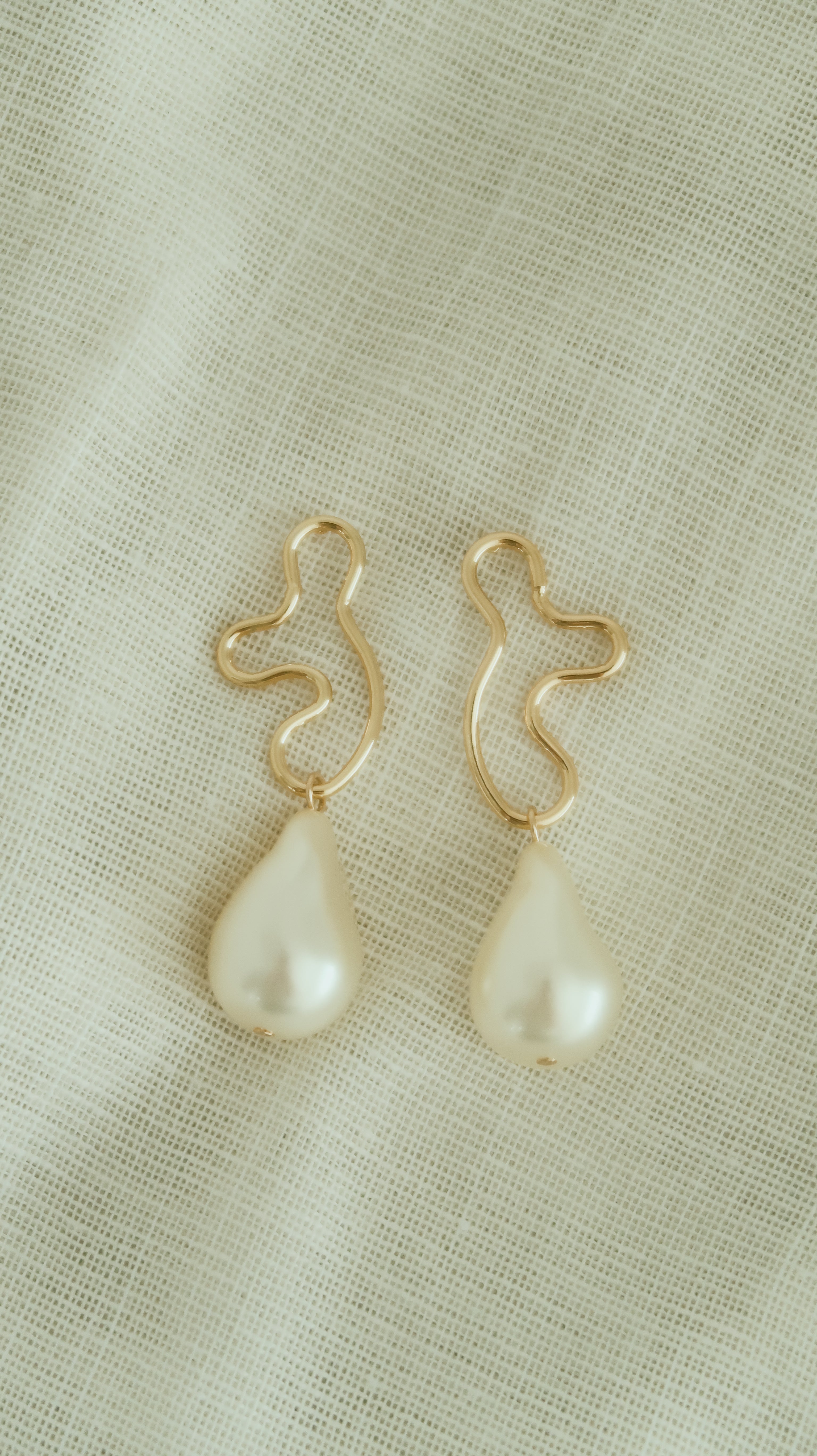
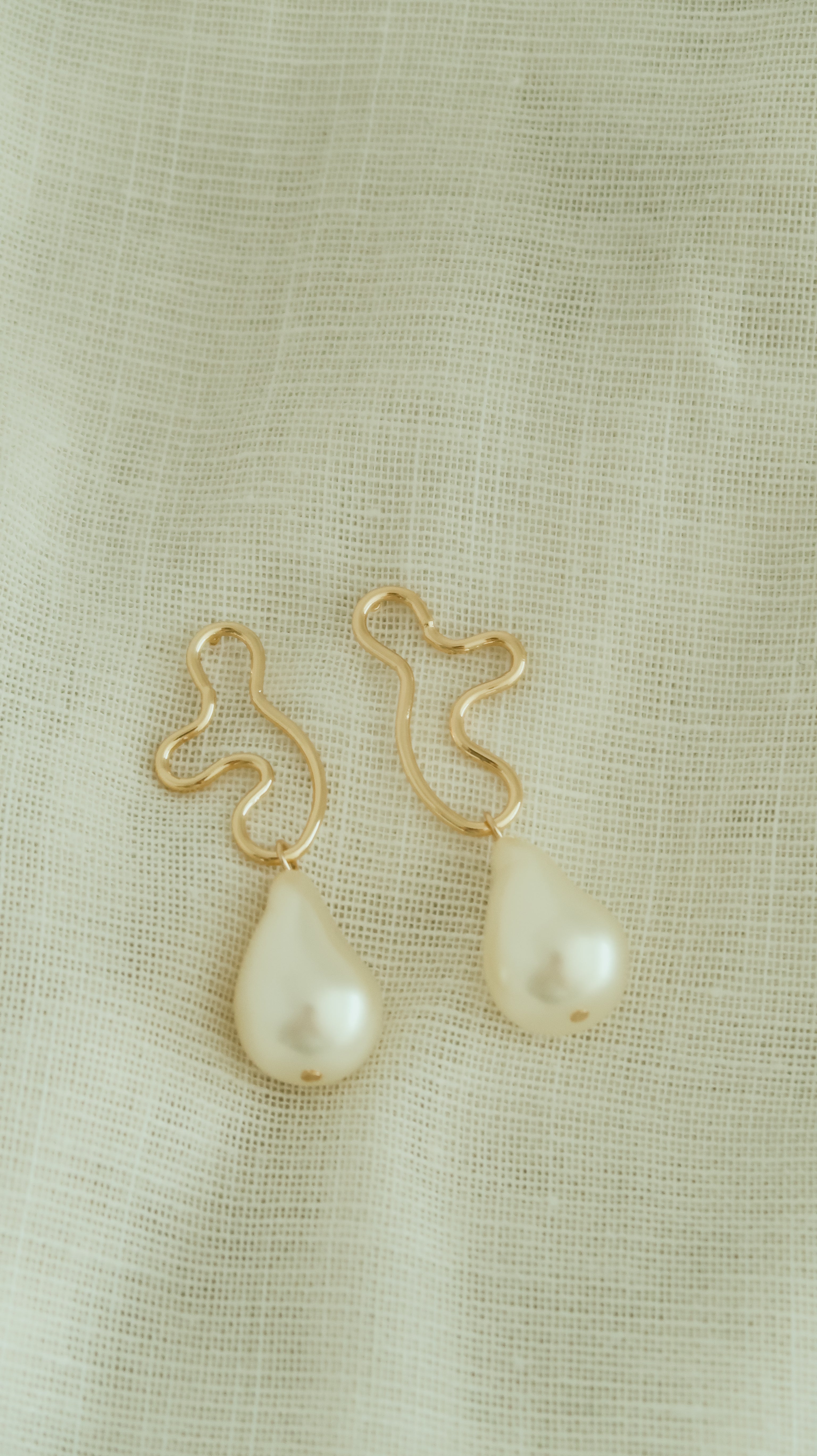
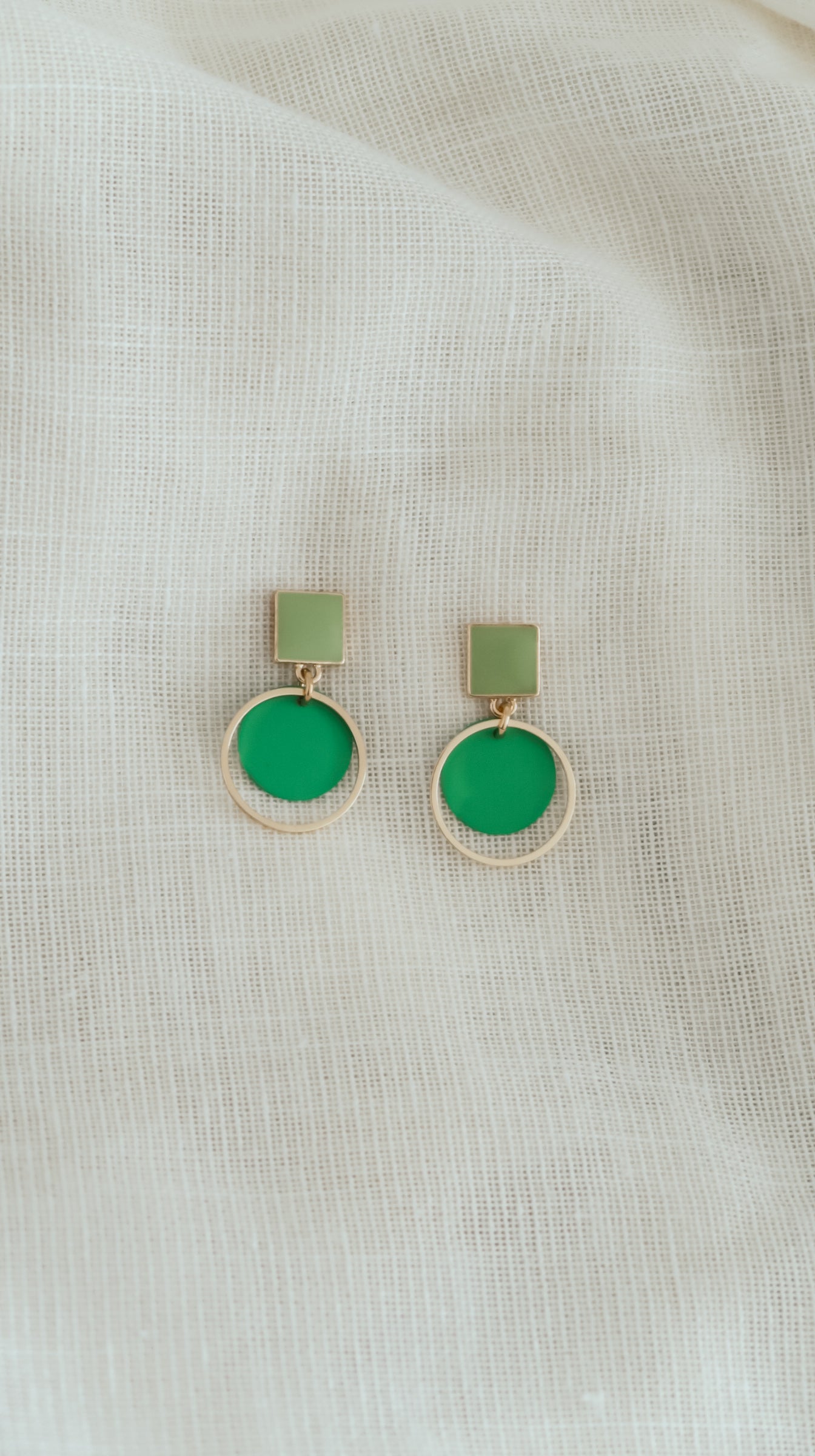
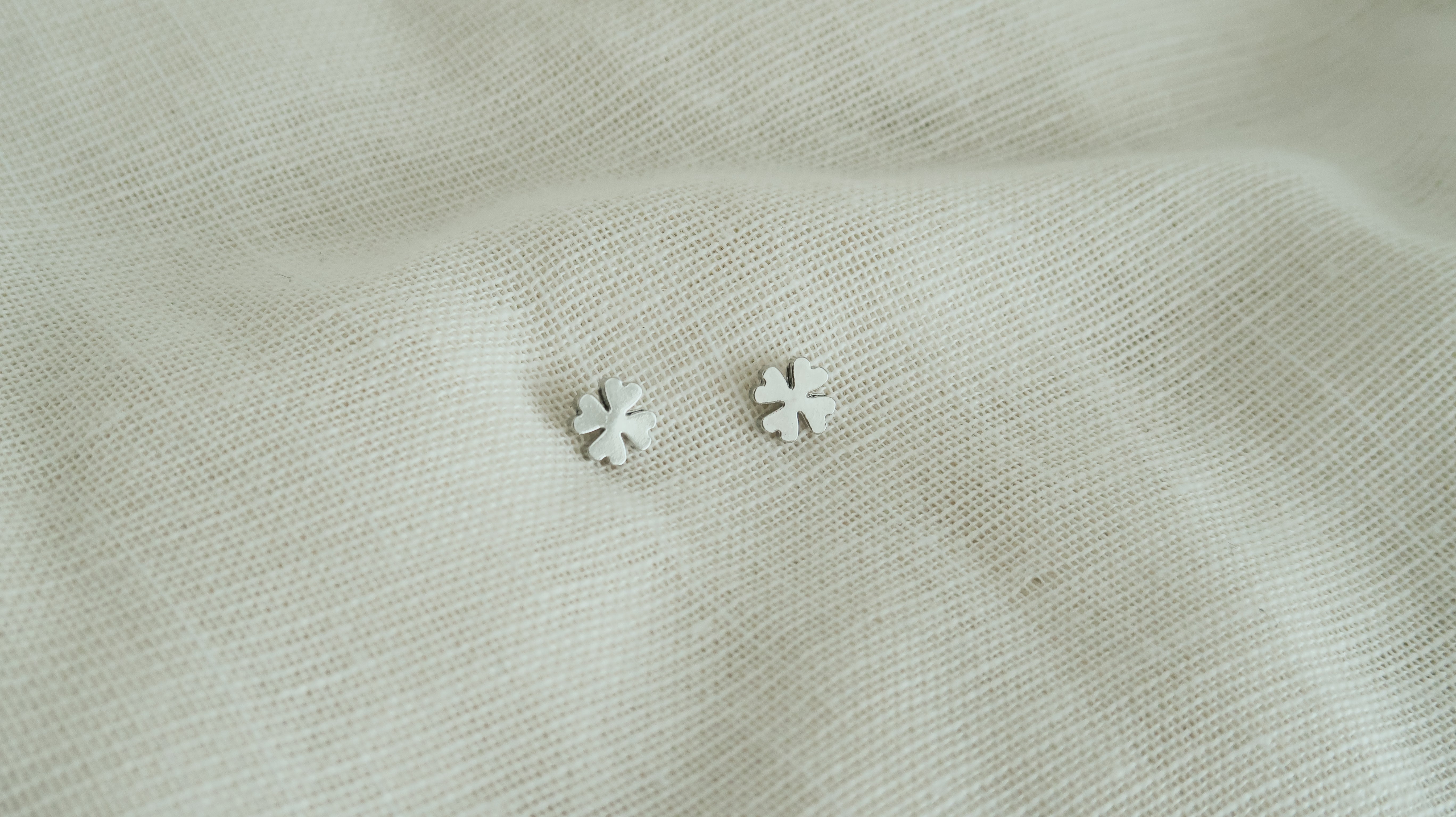
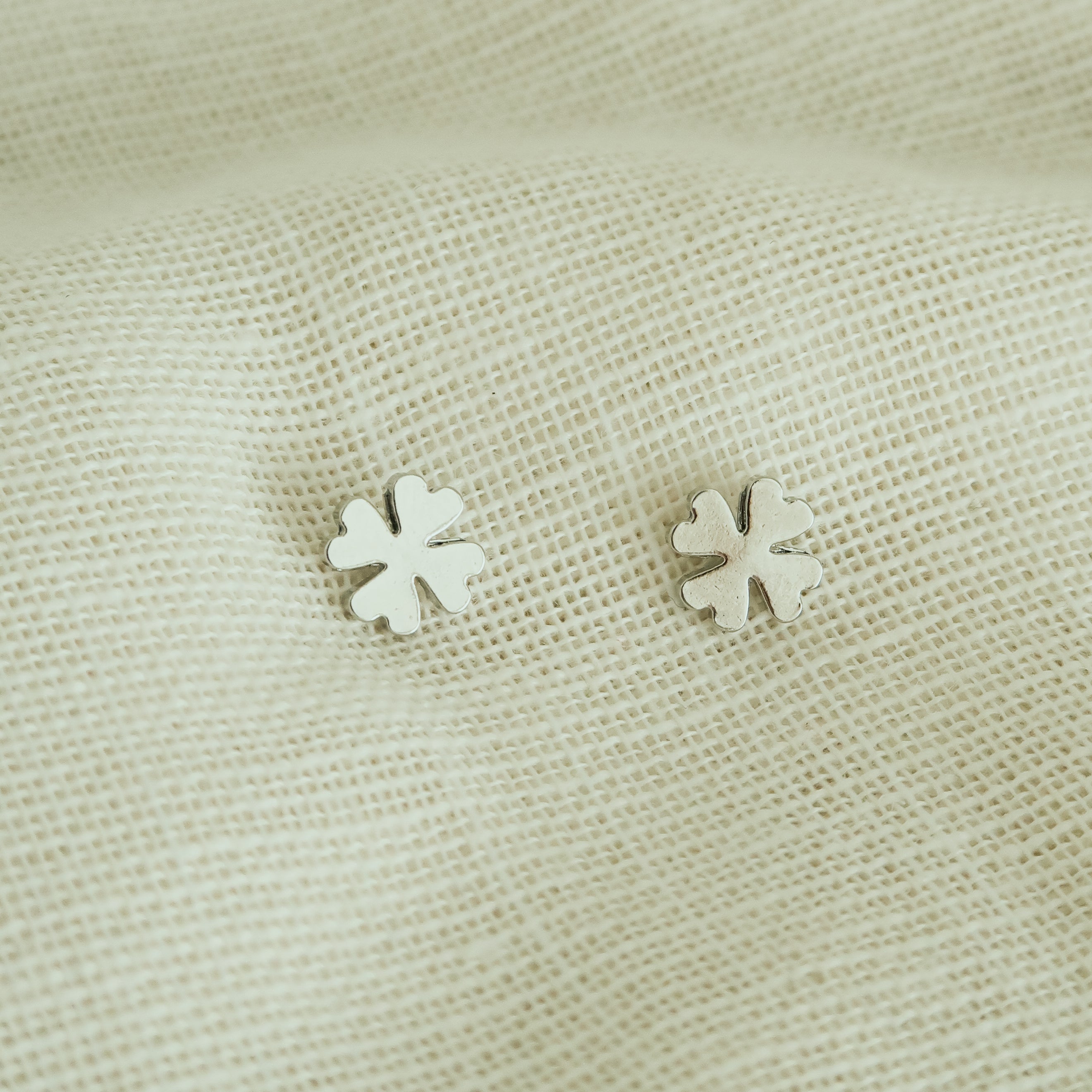
Only after about 6 weeks — for piercings higher up in the cartilage, this can be 3 to 6 months — should you carefully change it. Then, use a lightweight, 100% nickel-free stud. Models like Sofie veil, Ada snow, and Whisper white are designed precisely for this: compact, lightweight, and without aggressive metals.
Old piercing (years old): the earring can come out for a while
For a well-established, old piercing, it's different. The canal is thick and stable; being without an earring for a short time won't cause it to close up immediately. In fact, it often helps to give your ear some rest. Here's what you can do:
- Carefully remove the earring with clean hands.
- Gently clean with a saline solution or a mild, alcohol-free disinfectant (an aqueous chlorhexidine 0.1% or octenisept works well).
- Leave the earring out for 24 to 48 hours and see if the ear calms down.
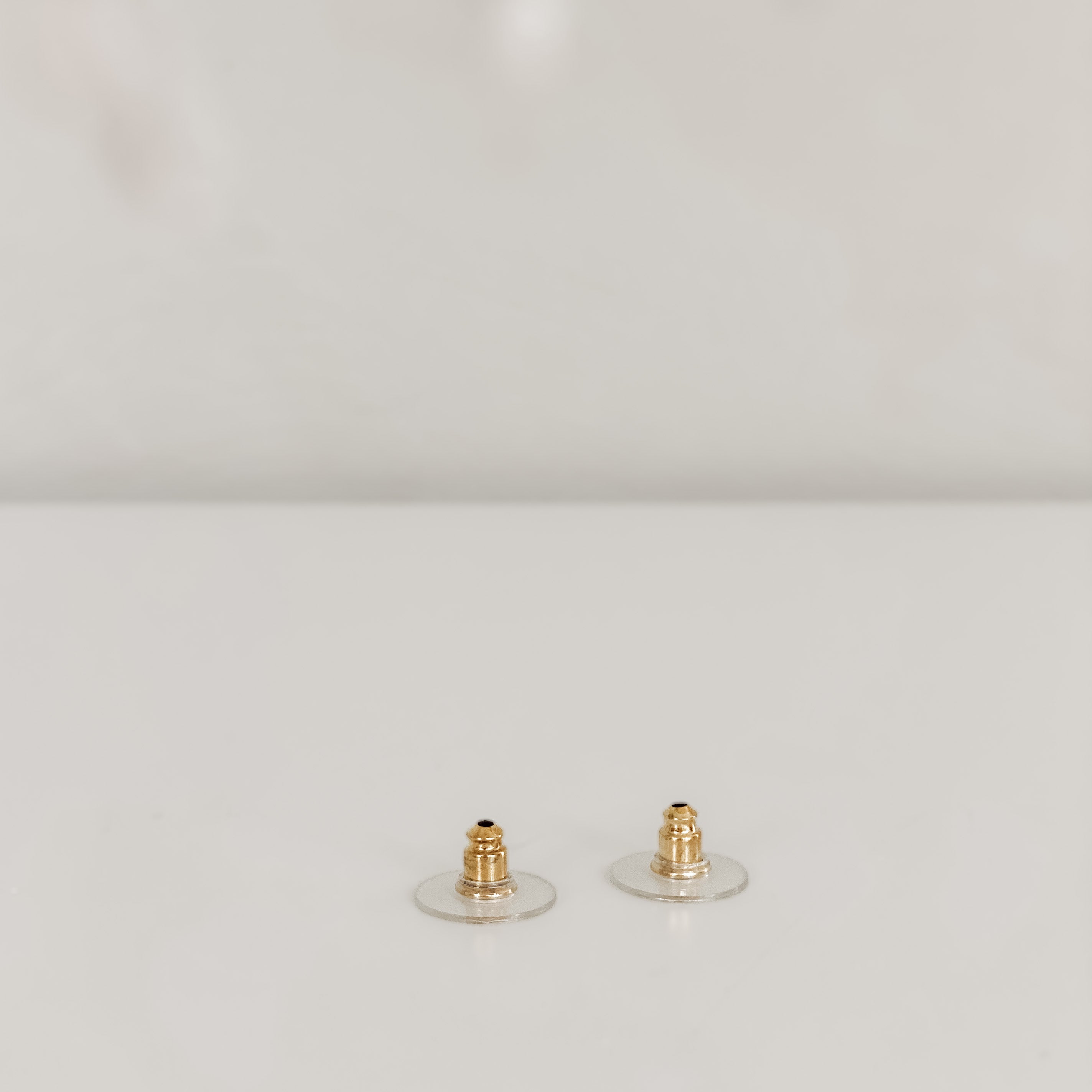
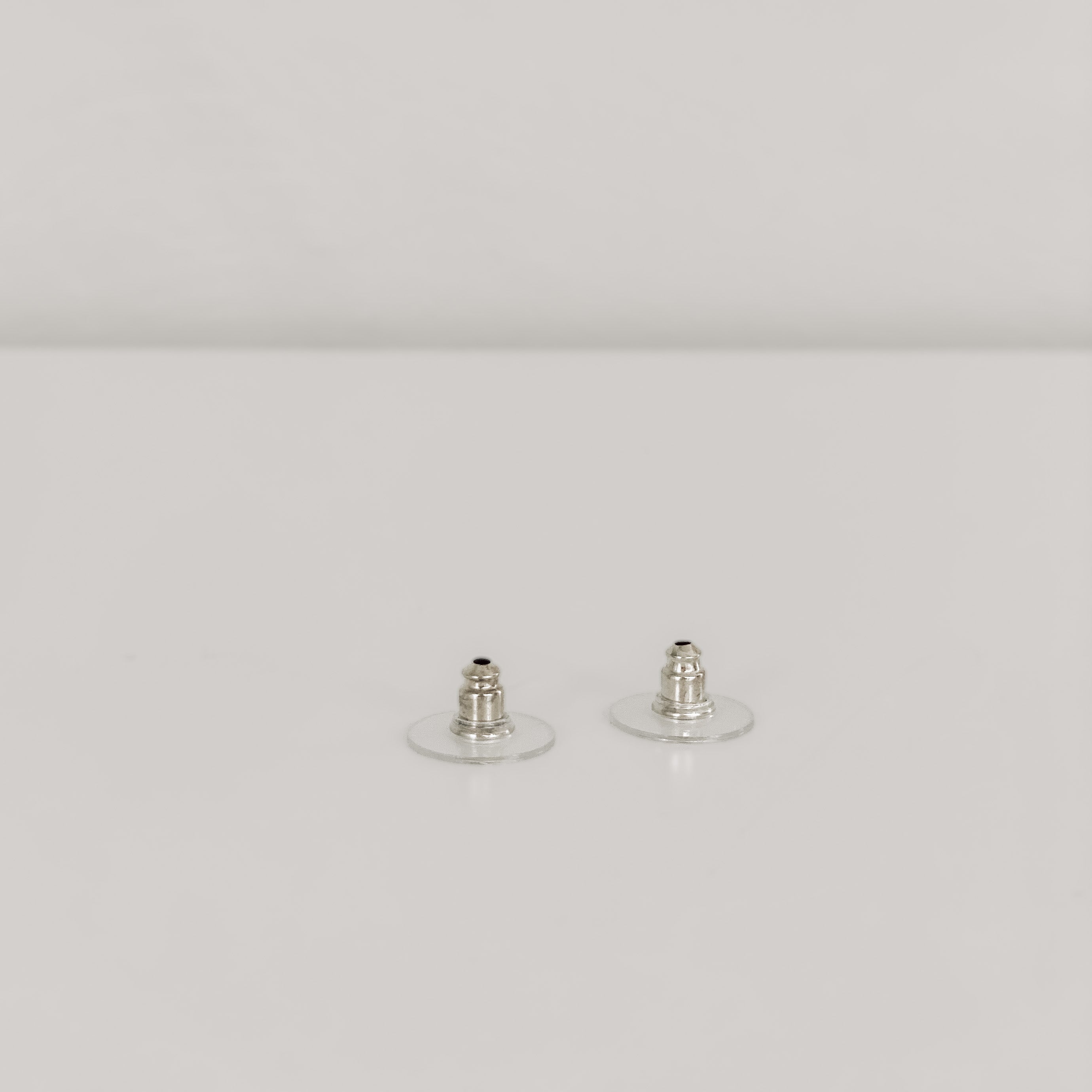
- Then, reinsert a lightweight, 100% nickel-free stud. No heavy dangle earrings for the first few days — they put extra pressure and friction on recently healed skin.
Can't get the earring back in? Don't force anything. Wait half a day, dab with a clean saline solution, and try again. A good tip: apply a tiny bit of neutral cream (without fragrance) around the post for extra glide.

What if the ear keeps getting inflamed after reinserting?
If redness and irritation keep returning as soon as you wear an earring, there's a good chance the material is the cause. Many affordable earrings contain nickel, one of the most common contact allergens. Up to 15% of women are hypersensitive to it — and once that hypersensitivity is active, it usually remains for life. In that case, no cream or disinfectant will help. What does work: completely and demonstrably nickel-free earrings.
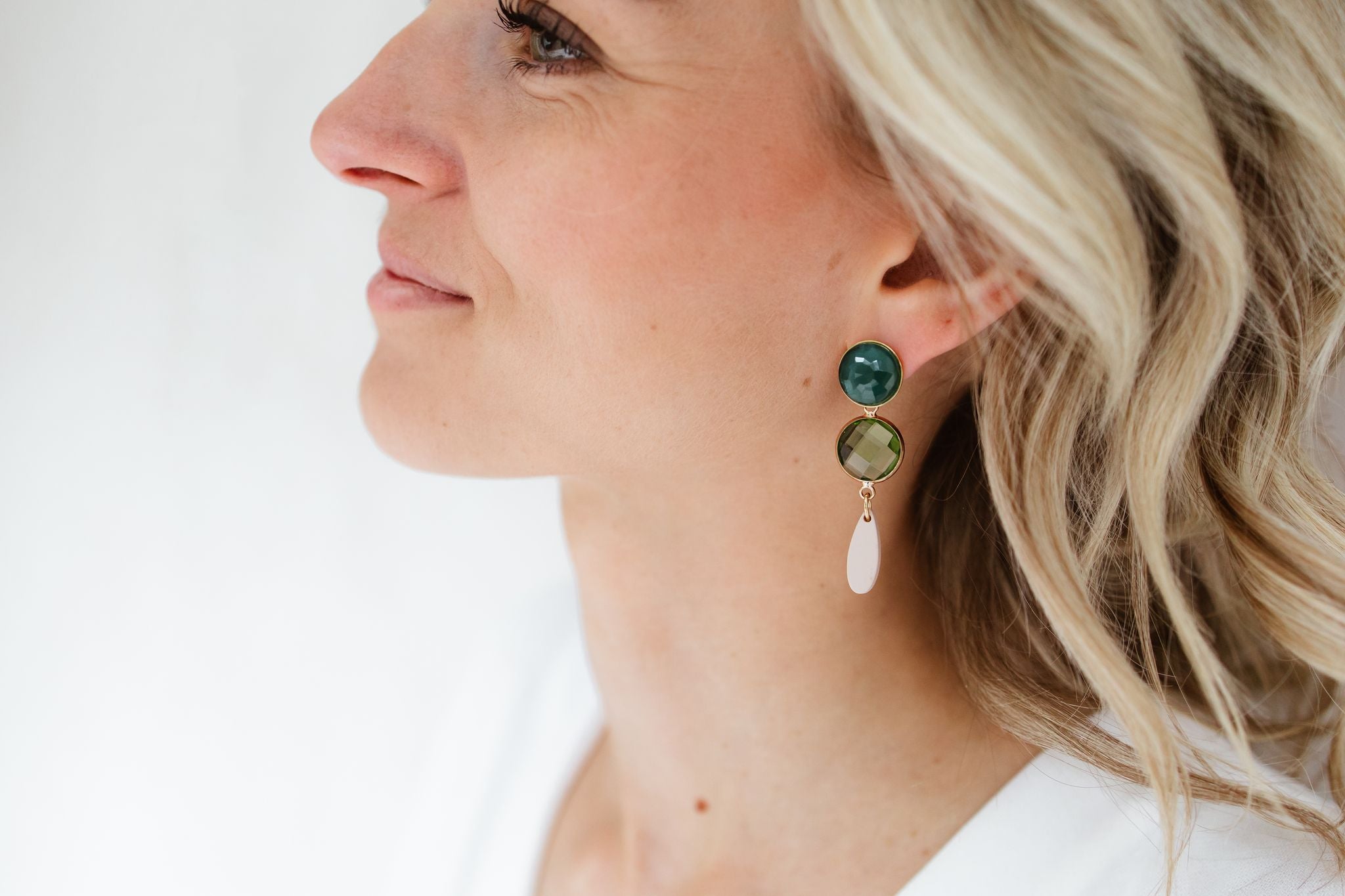
That's precisely why we started Petit Bonbon. Every earring from our workshop in Dendermonde is 100% nickel-free, lead-free, and cadmium-free. Not as a marketing claim, but as a design rule: we choose our alloys, clasps, and posts so that they are safe for sensitive ears, even with daily wear. Our guide on nickel-free earrings for sensitive ears explains why material is the most underestimated part of an earring.
When is it better to see a doctor?
Home care is sufficient in most cases, but call your doctor when:
- the swelling and redness are getting bigger instead of smaller;
- there is clear yellow-green pus coming from the piercing;
- you develop a fever or feel unwell;
- the earring or clasp is stuck in your earlobe and you cannot remove it yourself;
- the symptoms do not improve after a week.
This is general information and not medical advice. When in doubt, a doctor is always the right person to reassure you.
Prevention is always gentler than cure
Don't want to experience the same thing again? Three principles make a difference:
- Material first. Always choose 100% nickel-free. At Petit Bonbon, that's standard for every model.
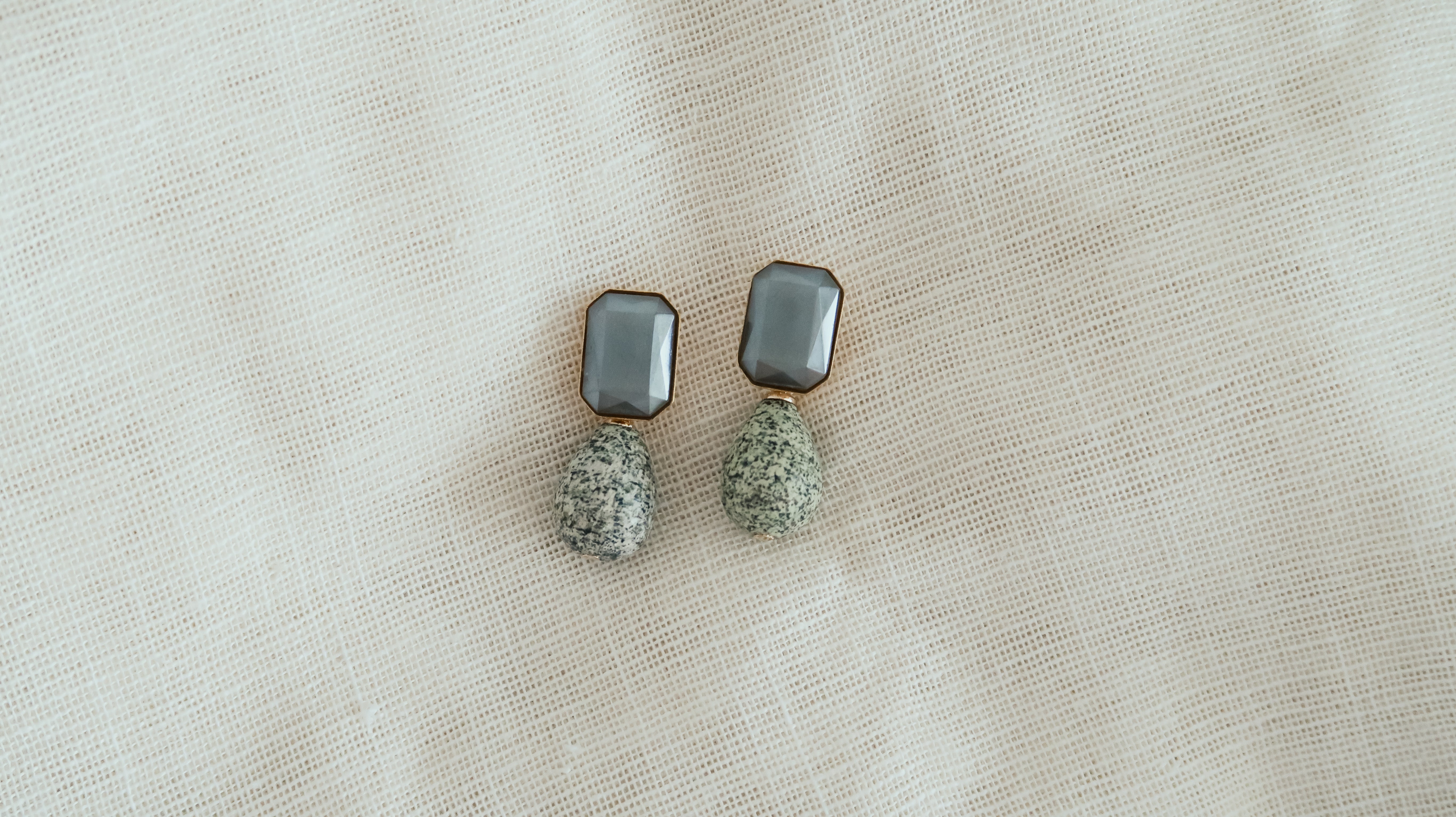
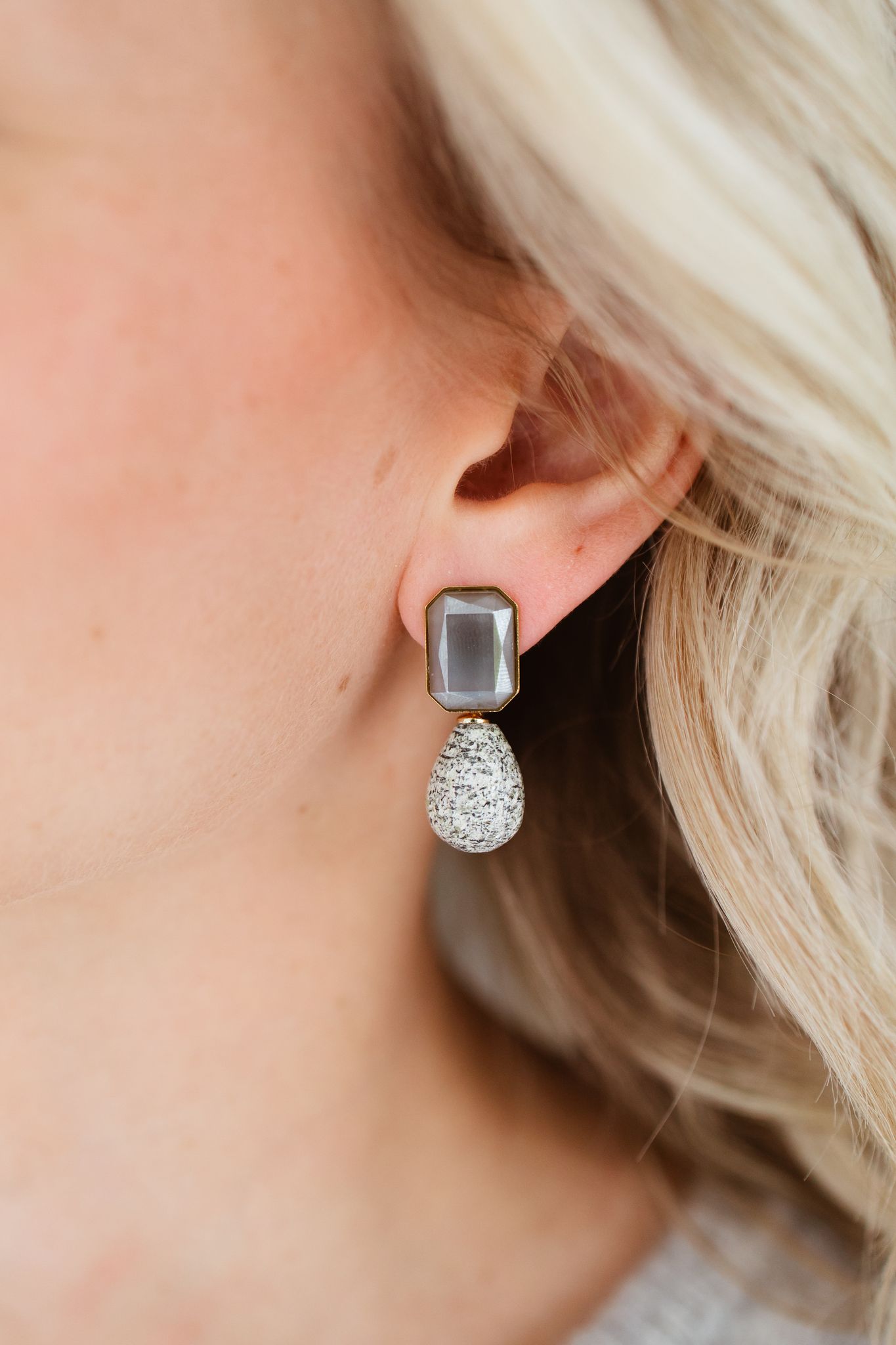
- Weight under control. A lightweight earring puts less pressure on your earlobe, even at night. You can find our lightest dangle earrings and studs in the collection under the "lightweight models" filter.
- Hygiene as a routine, not a reflex. Clean hands with every change, take off earrings before swimming and showering, and gently clean with saline solution — that's all you need.
More general information about earlobe infections can be found in our pillar preventing inflamed earlobes. Want to know which models are the gentlest for recovery phases? Check out our collection — all earrings are handmade in Dendermonde and designed for comfortable all-day wear.







Leave a comment
This site is protected by hCaptcha and the hCaptcha Privacy Policy and Terms of Service apply.