

Verzorging 2 min lezen
Pus from your child's ear piercing: act calmly
In dit artikel
Pus from your child's ear piercing can be a frightening moment for any parent. It looks severe, and you don't know whether to calmly care for it or call immediately. We will help you make the right choice calmly and step-by-step—without panic, without unnecessary doctor's visits, but with the certainty that you won't miss any alarm signals.
First look: lymph or pus?
Not every discharge is pus. Lymph is thin, clear, or slightly yellowish and quickly dries into a small crust on the earring. This is normal with fresh ear piercings (the first 4-6 weeks) and no cause for panic. Pus is thicker, yellowish or greenish, often with an unpleasant odor, and is accompanied by swelling and pain. Pus indicates a true infection.
Step 1: peace for yourself and your child
Children read your face. The calmer you are, the calmer they will be. Sit down together calmly and explain what you are going to do. Start by washing your hands—that is the most important thing before touching the ear.
Step 2: careful rinsing
Use physiological saline solution (a jar available at any pharmacy). Put some on a clean cotton pad and dab around the ear piercing. Do not rub, do not press on the swelling. Rinse twice a day at a fixed time. No alcohol or hydrogen peroxide—these are too harsh for children's skin. You can read more about this in our guide on using alcohol on earrings.
Step 3: earring in or out?
The age of the piercing is important here. For a fresh piercing (younger than 6 weeks), leave the earring in—otherwise, the channel will close, and the infection will be trapped inside. Rinse around the post. For an older piercing, it can be carefully removed, provided your hands and the earring are disinfected, and you can reinsert the earring afterward to prevent it from closing up.
Step 4: pain and fever
For mild pain, a warm compress (a clean washcloth with warm water) three to four times a day often helps. Paracetamol can be used, in the correct dose for the age—ask for advice if in doubt. For fever above 38°C: do not wait, call your GP or pediatrician.
Step 5: light, safe earrings after recovery
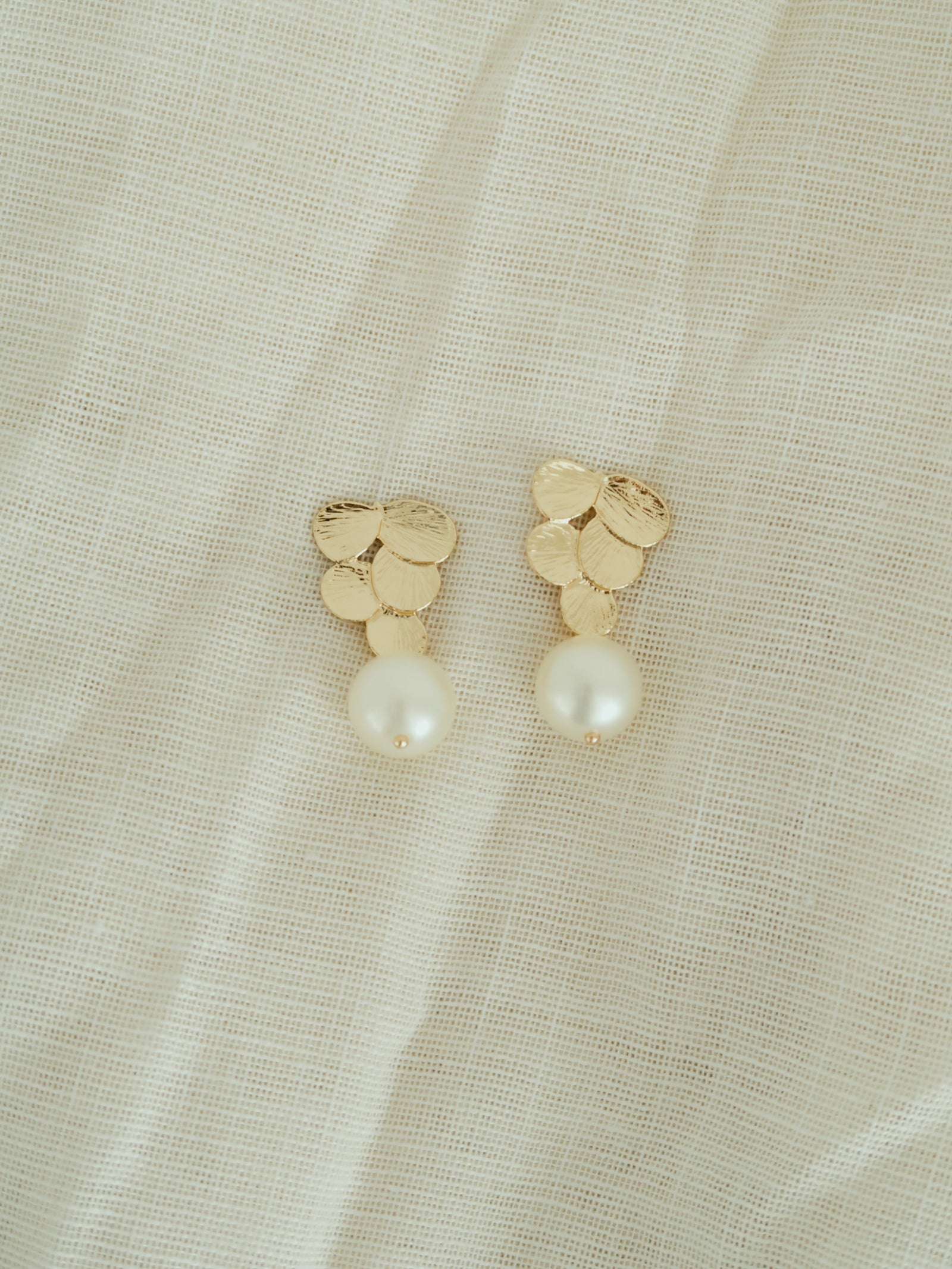
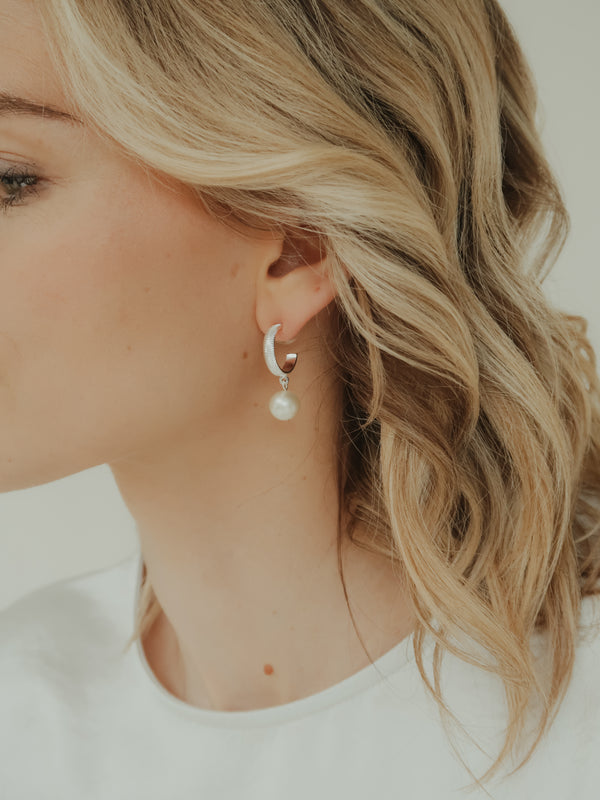
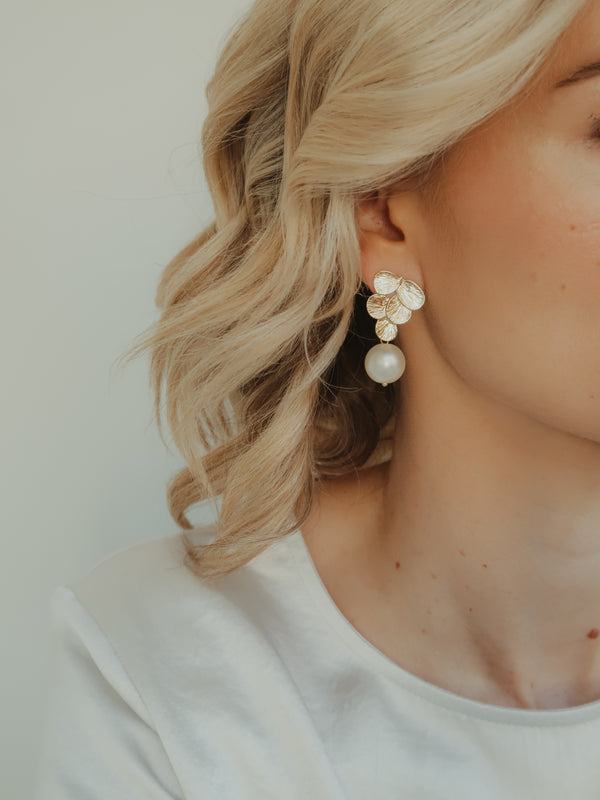
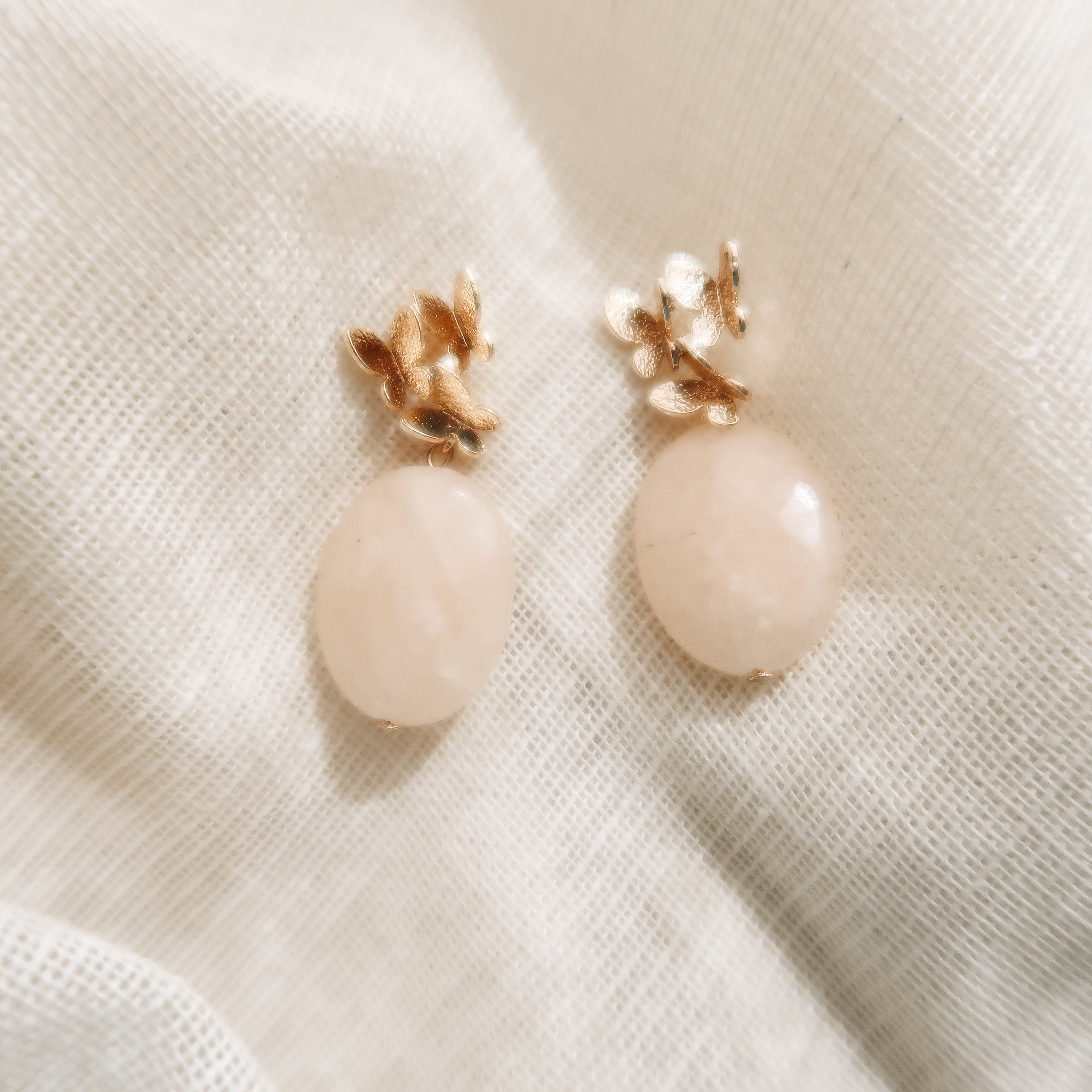
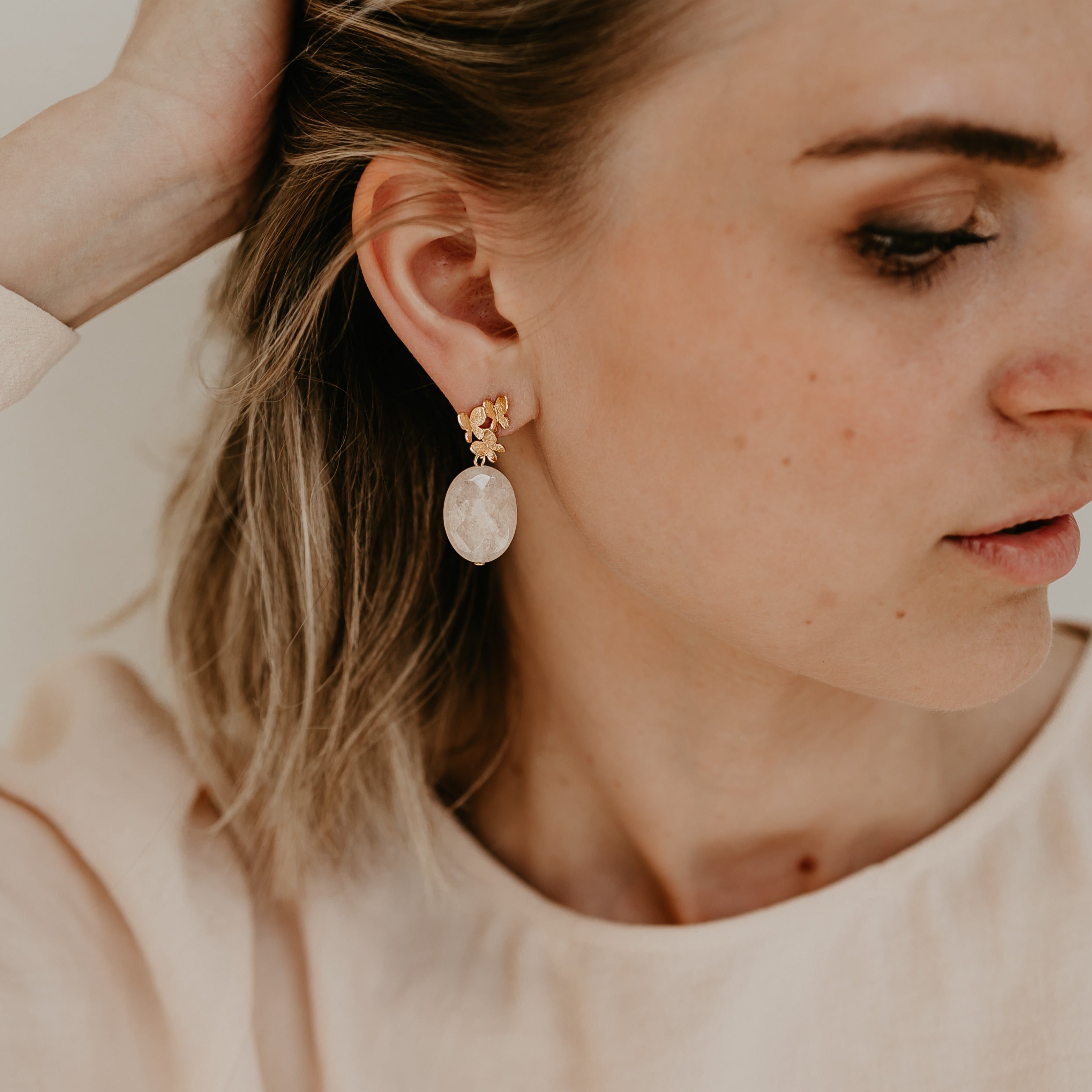
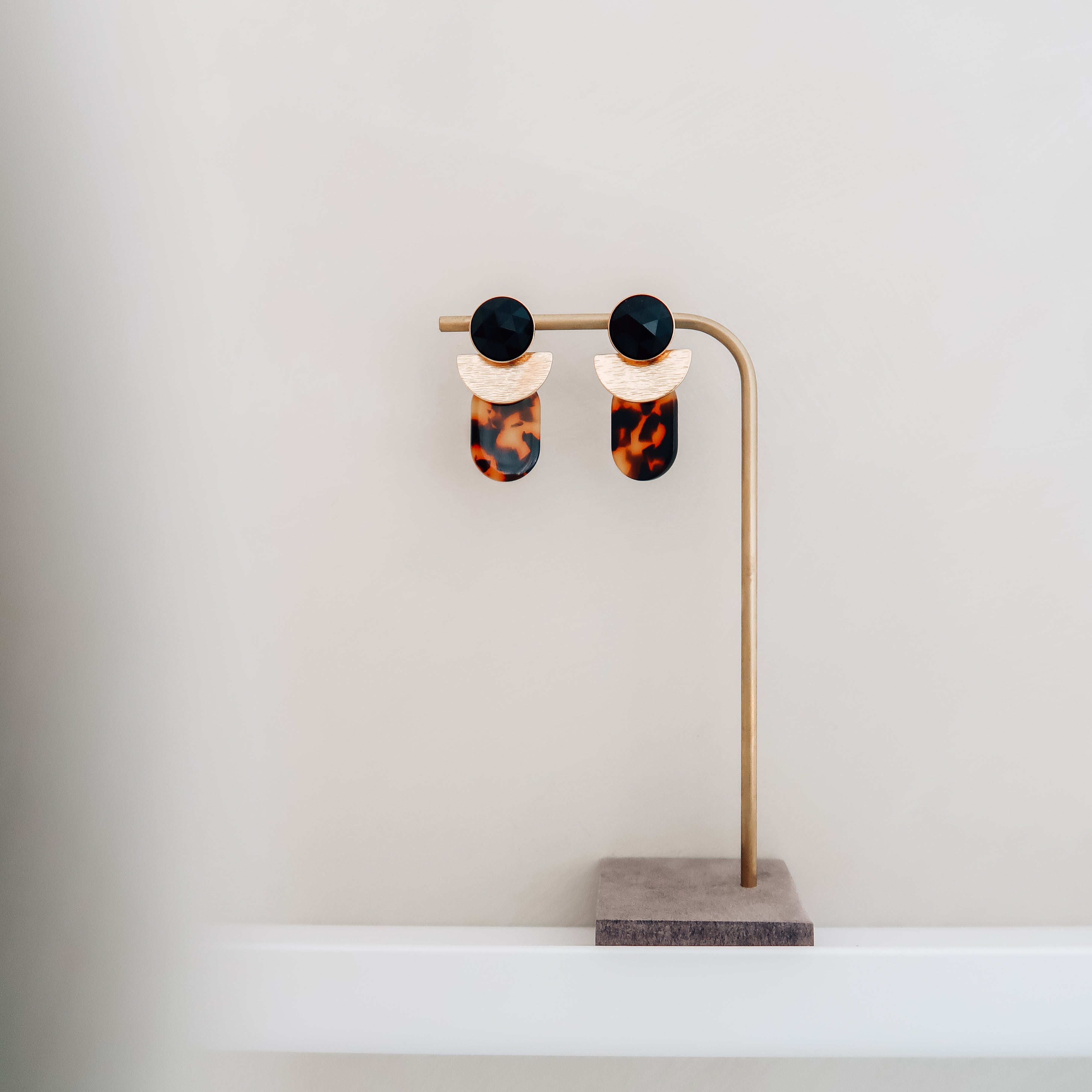
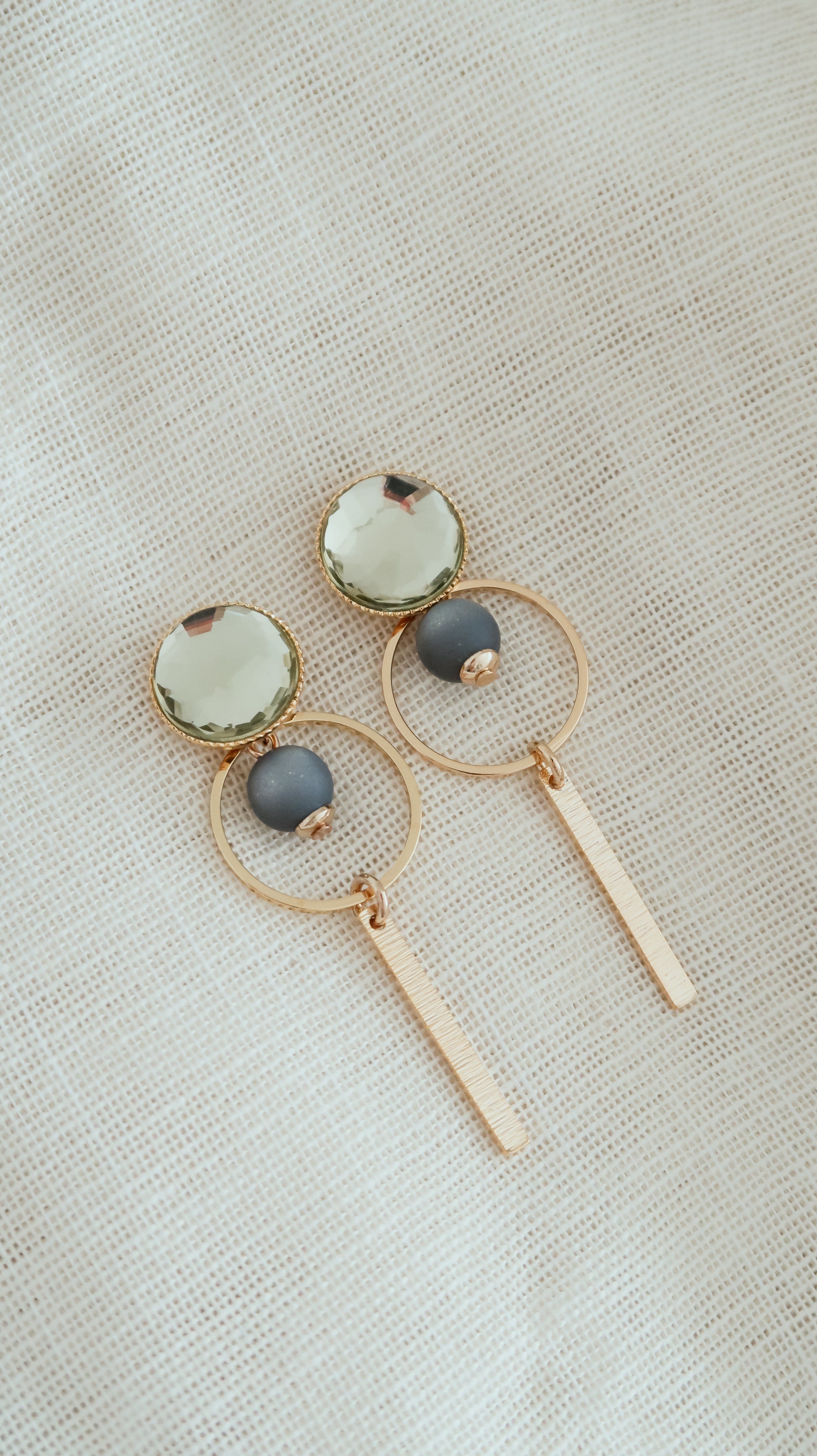
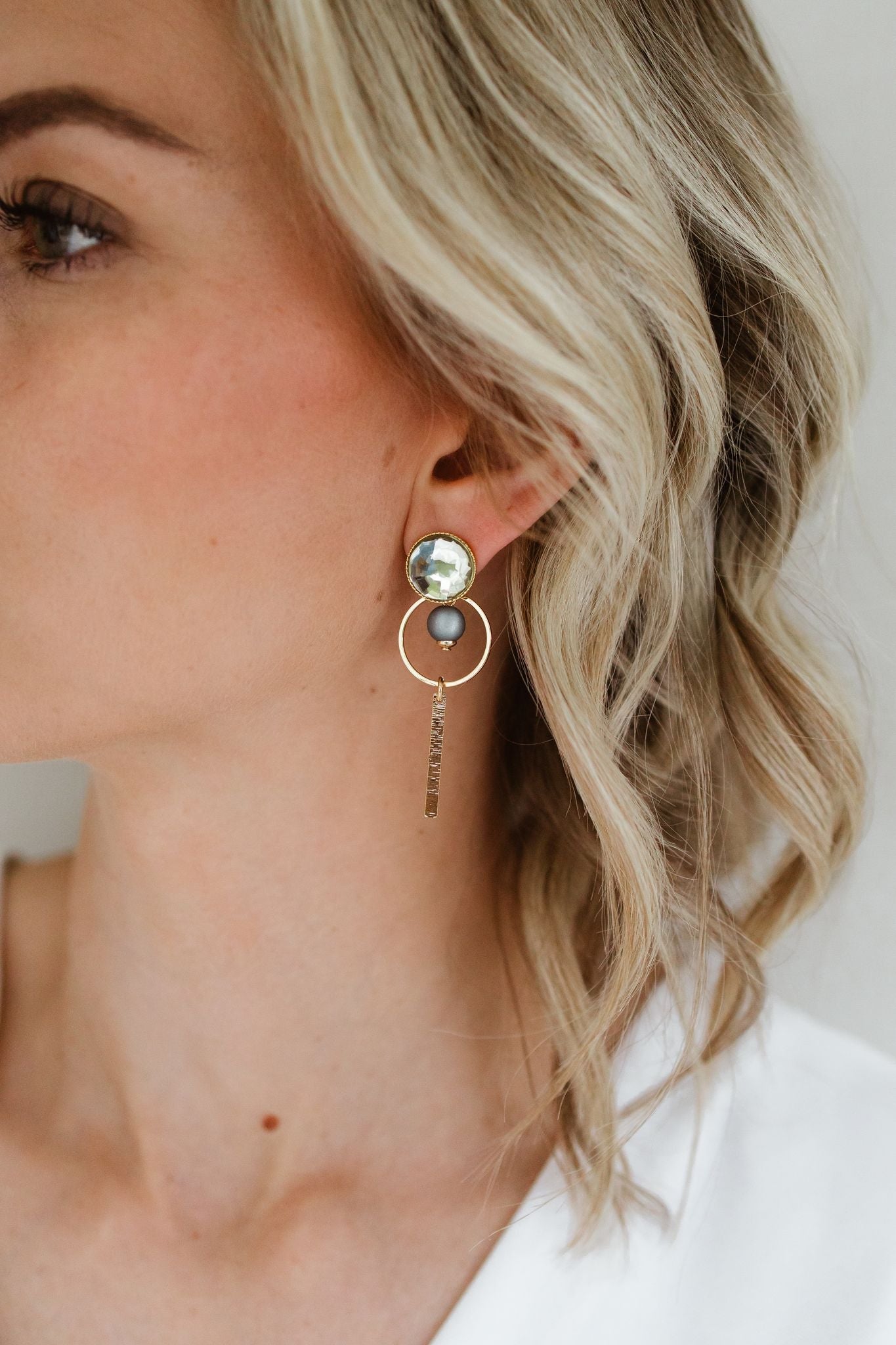
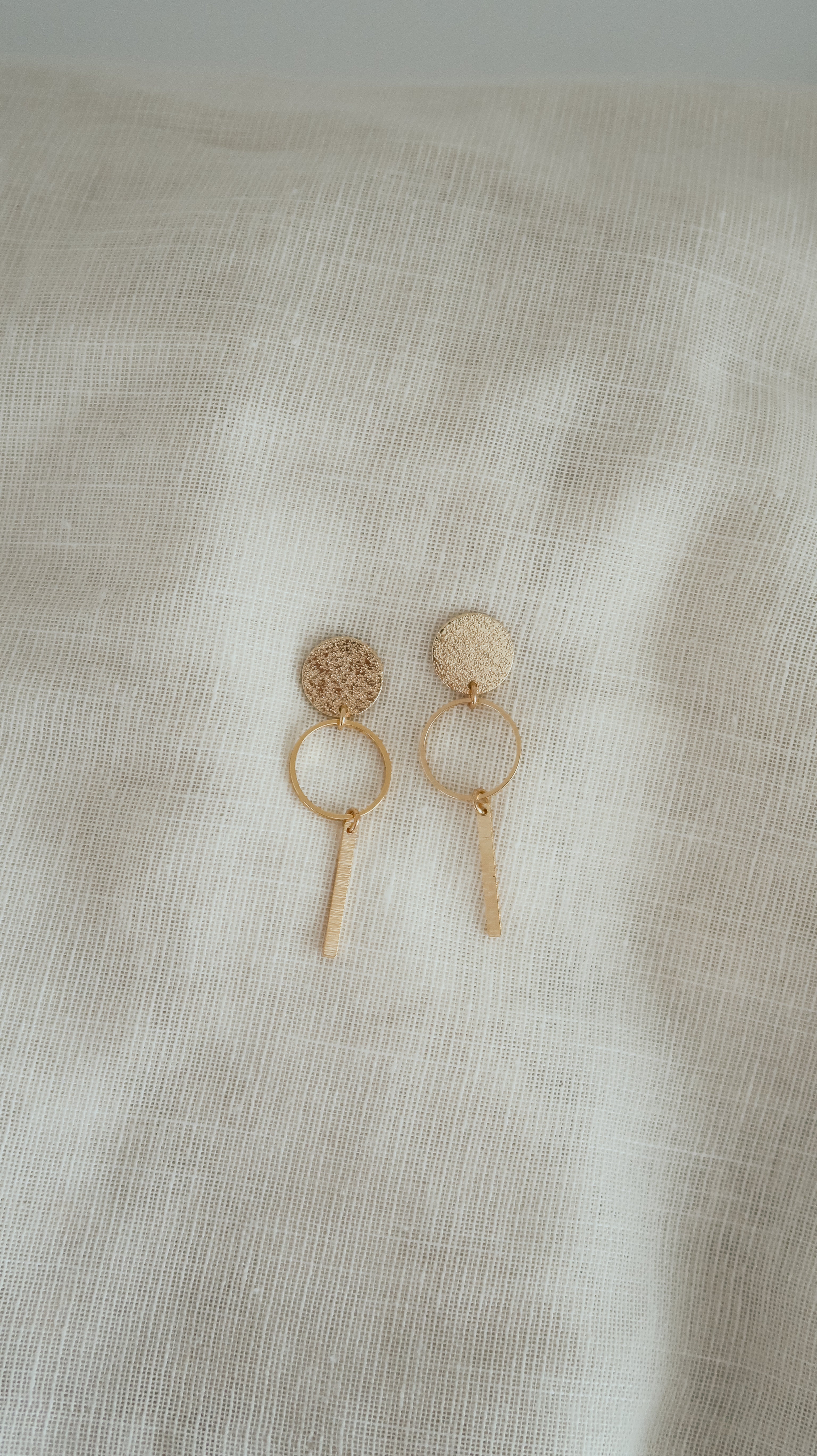
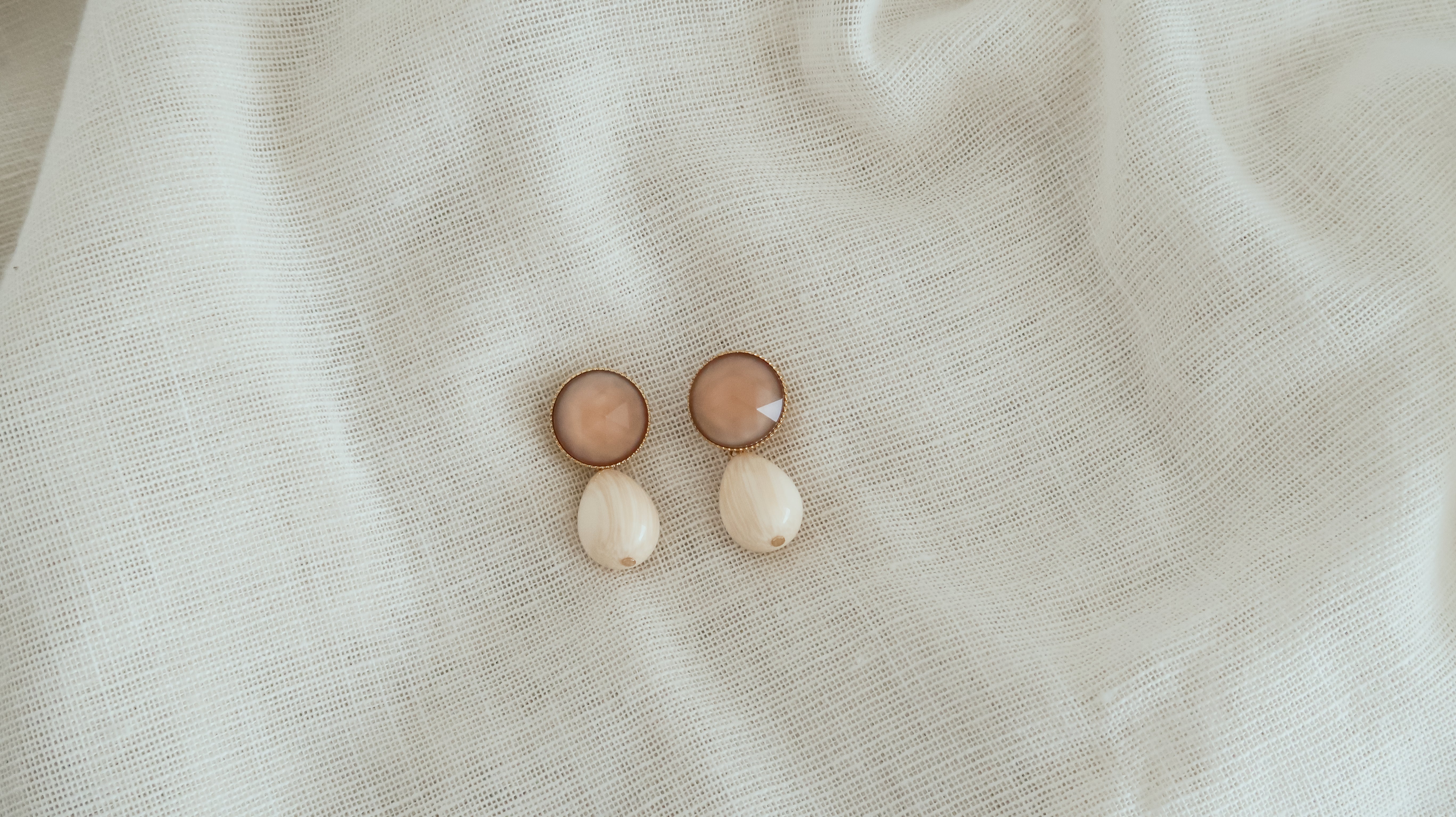
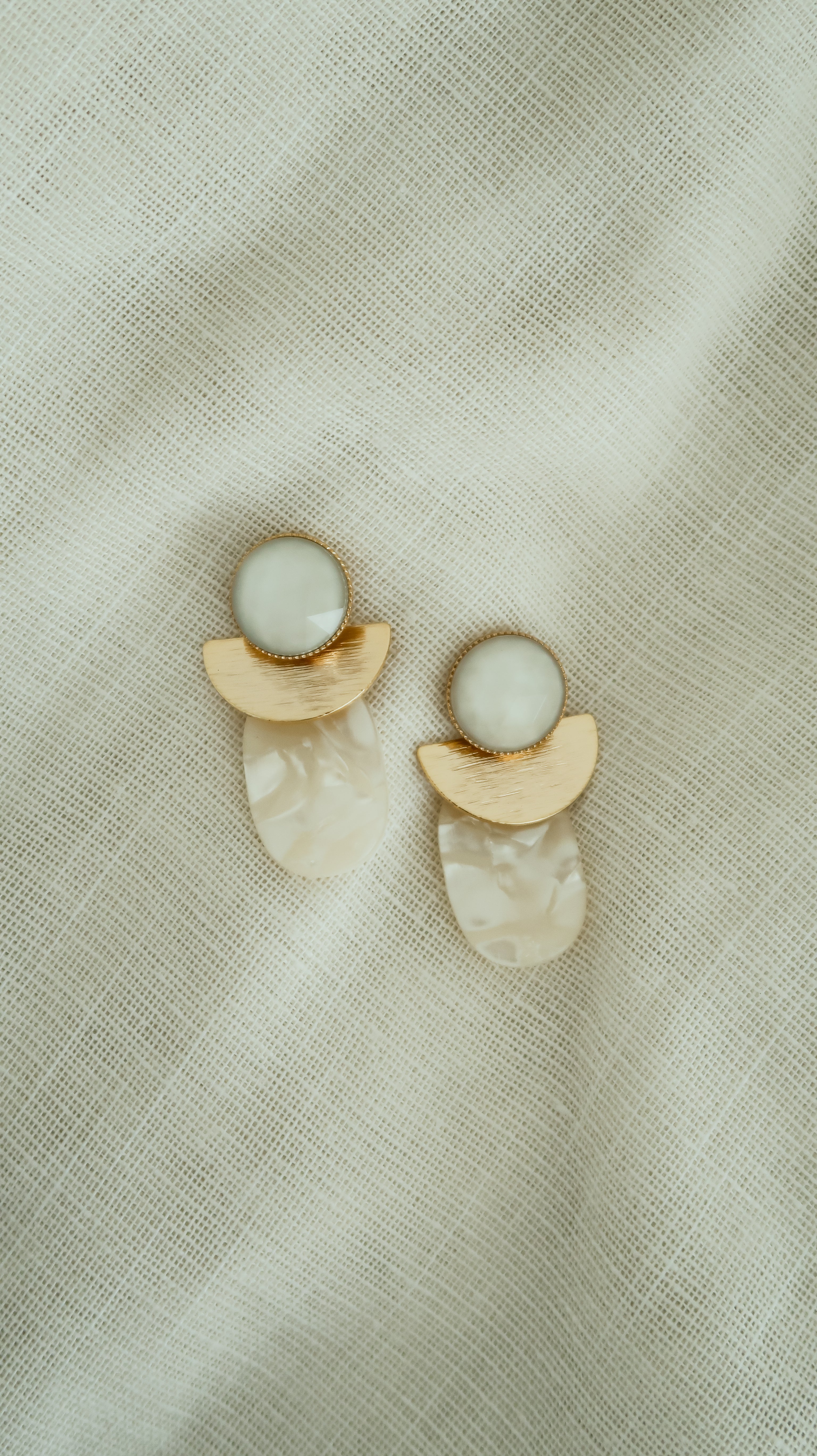
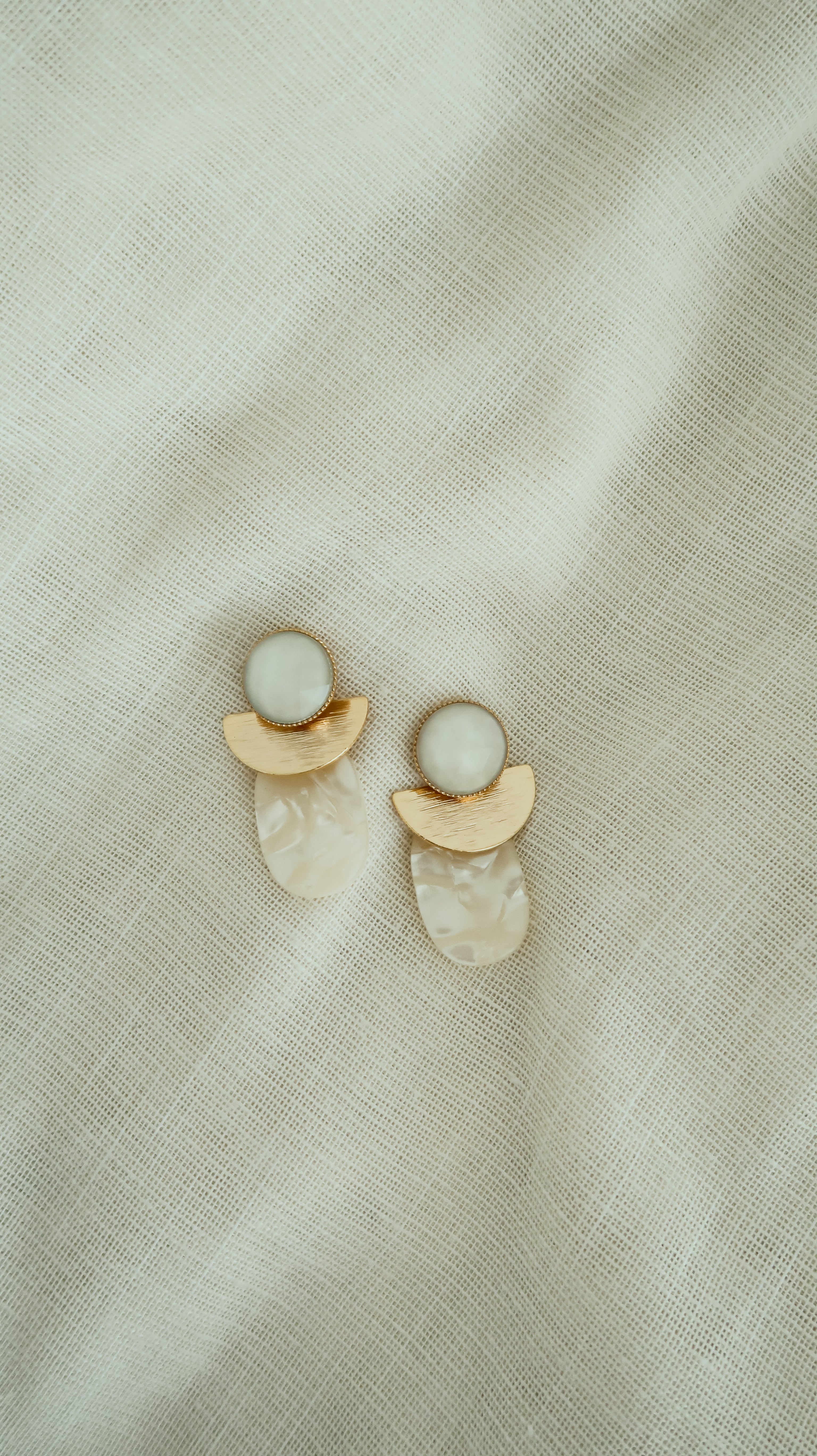
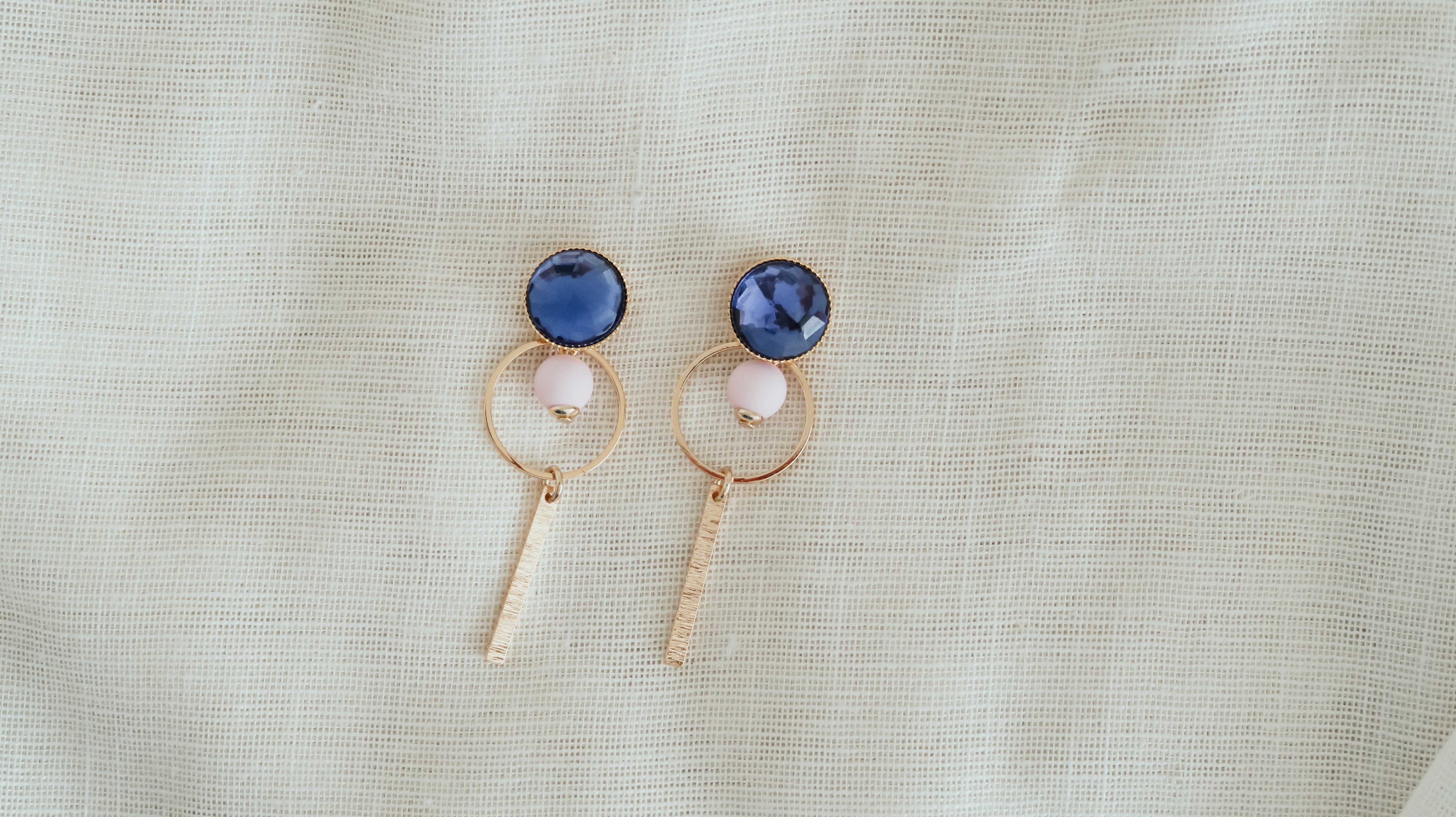
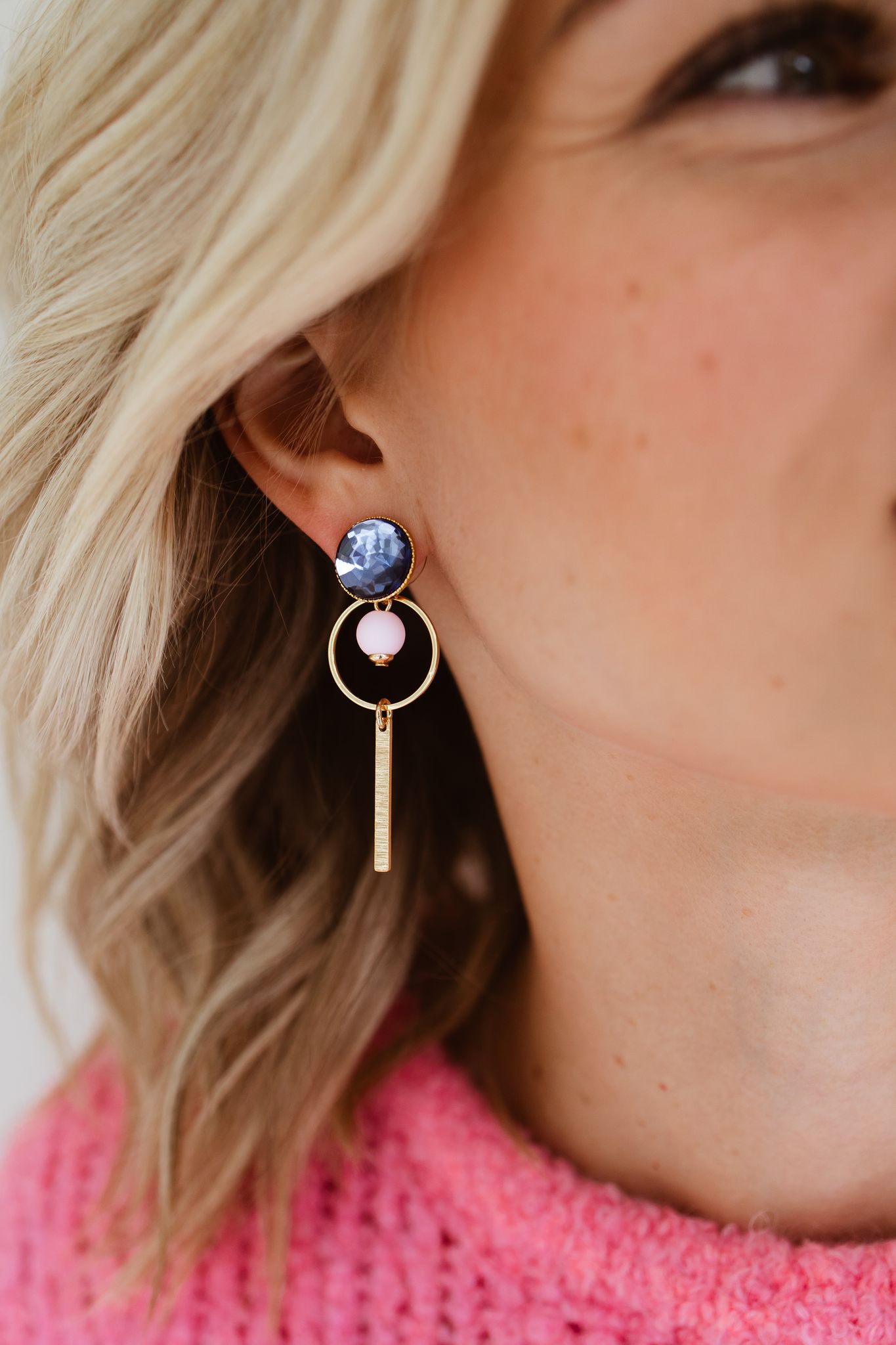
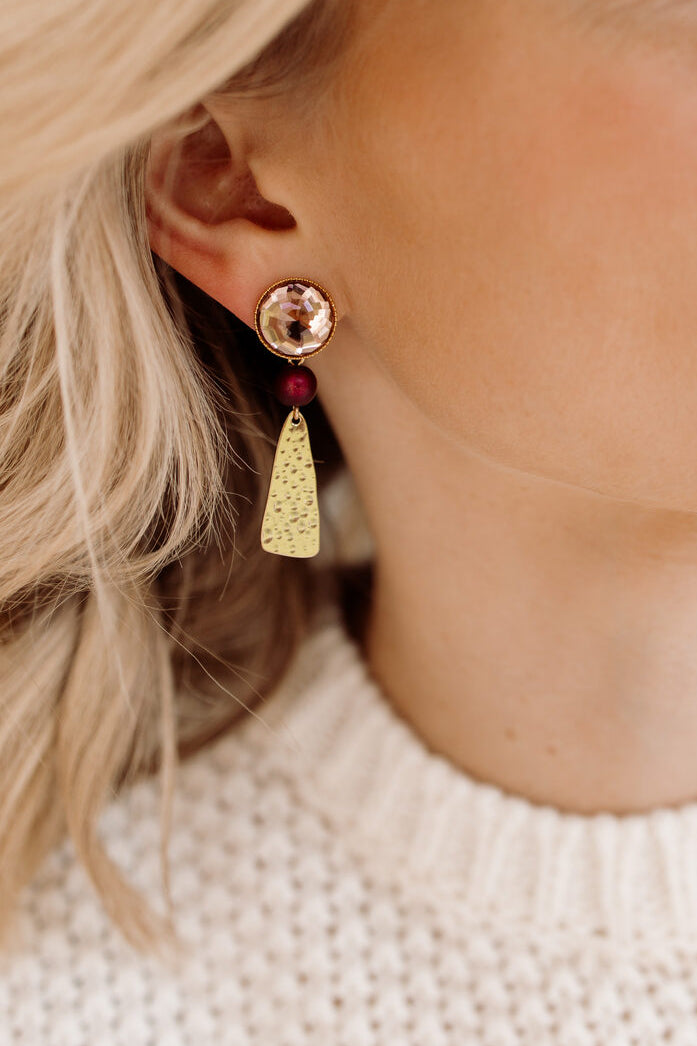
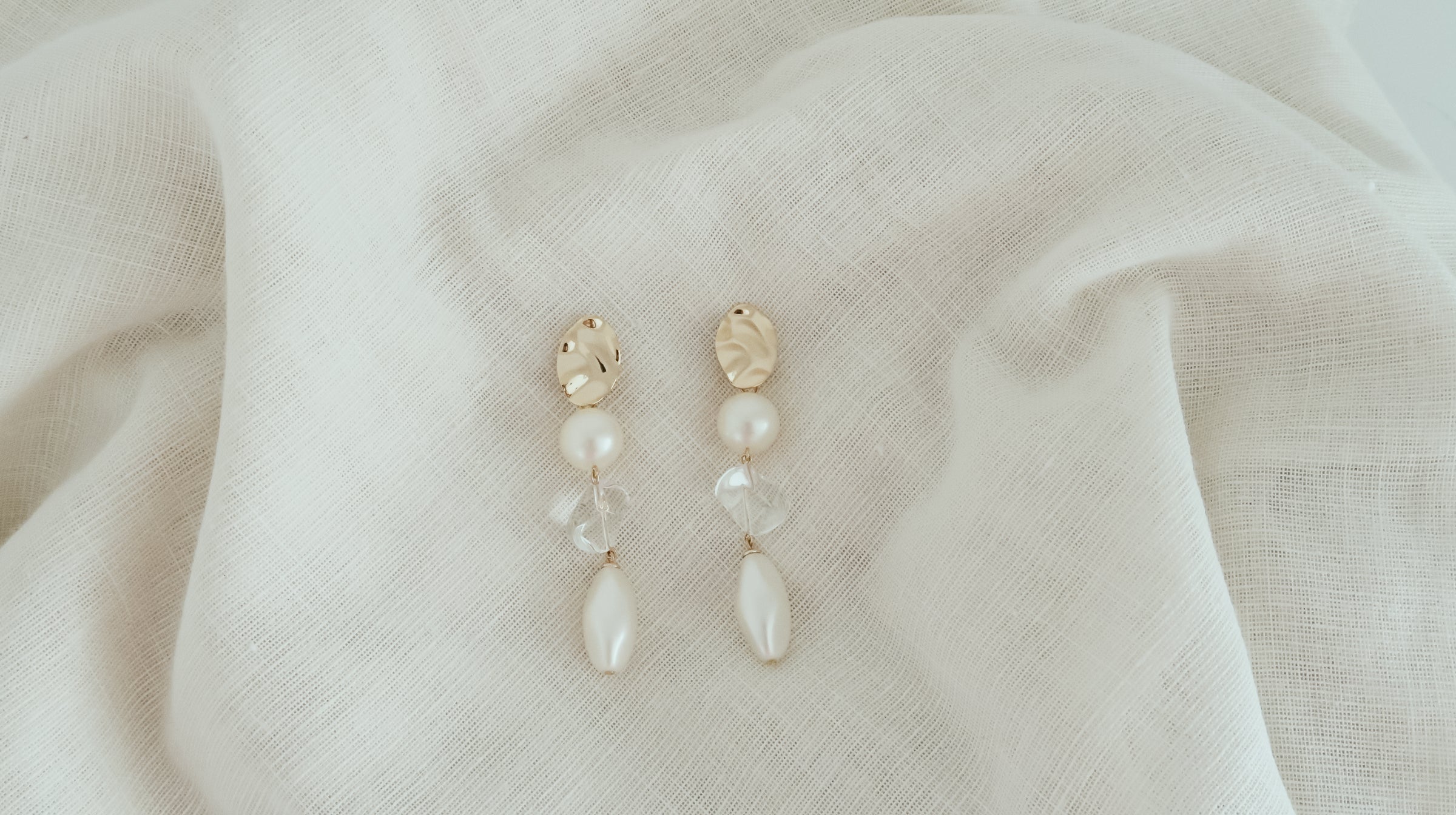
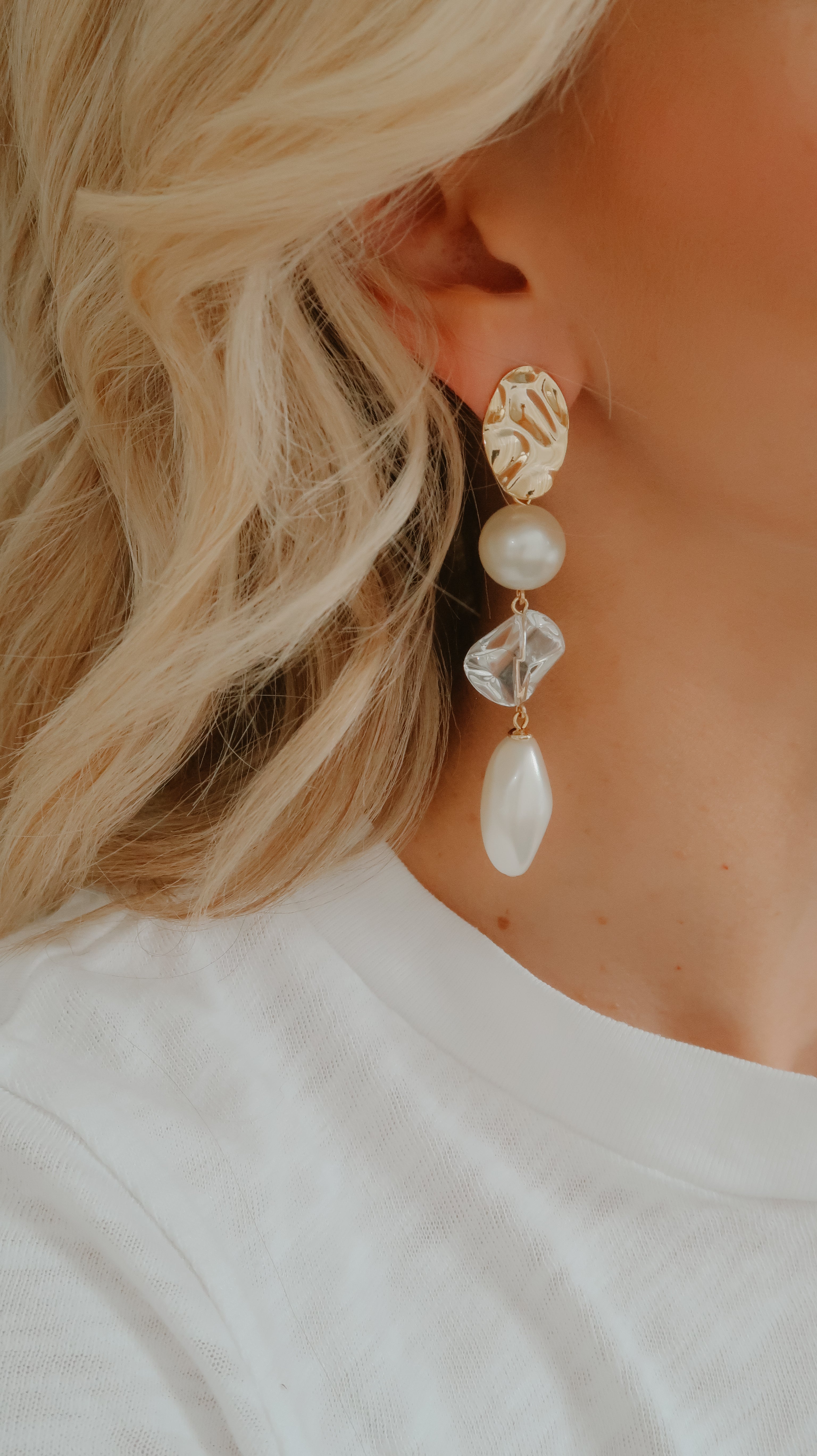
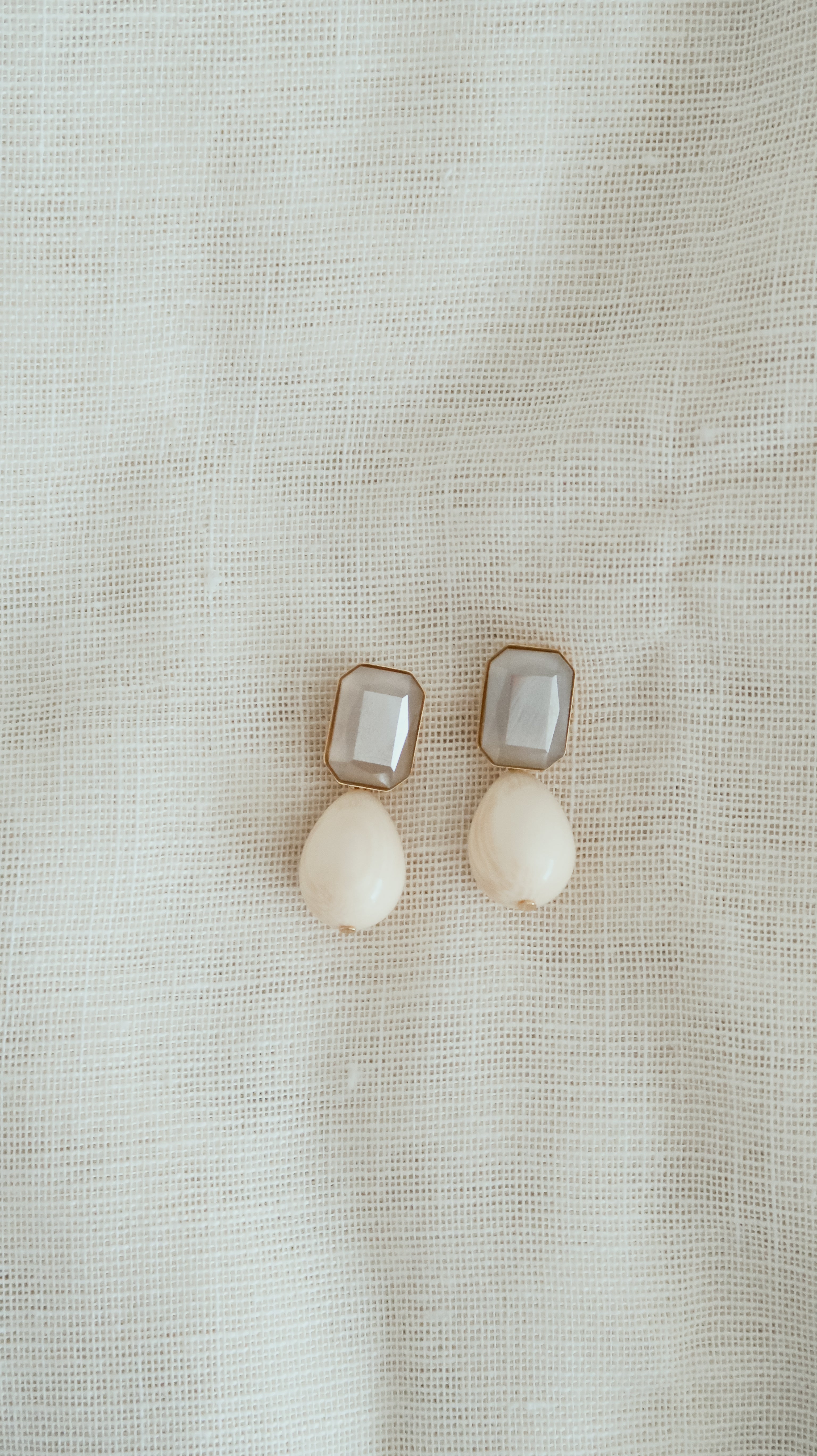
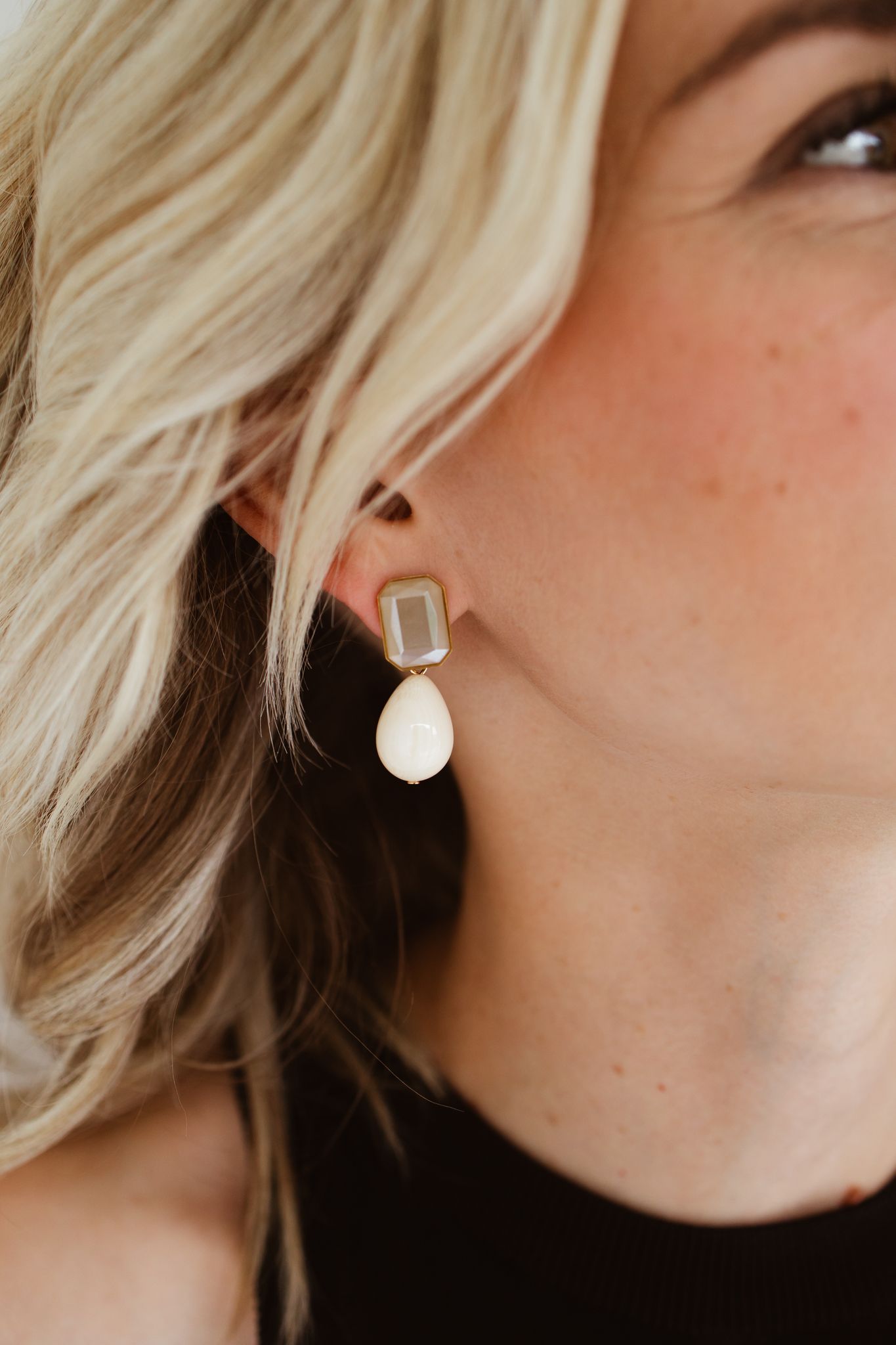
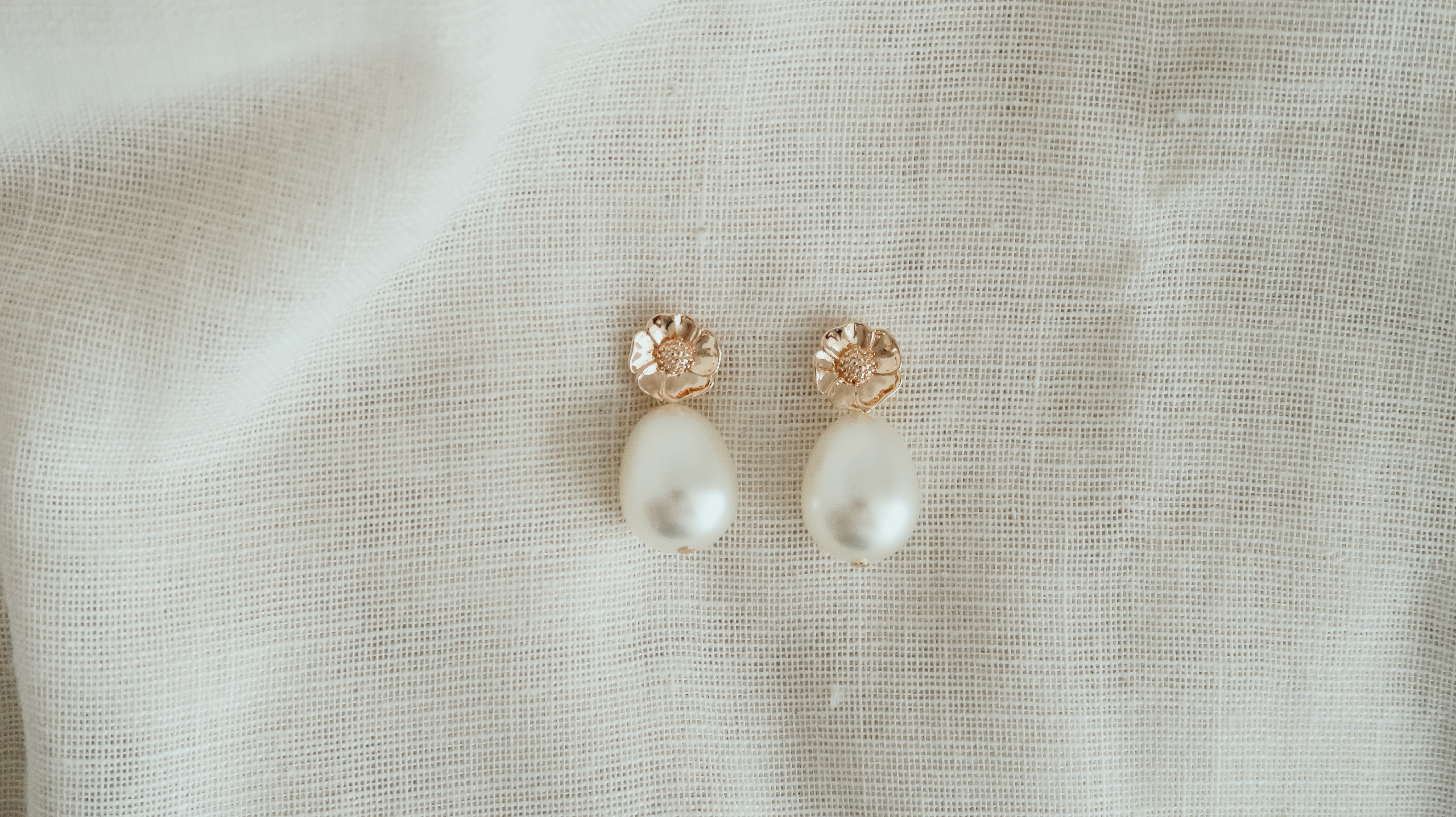
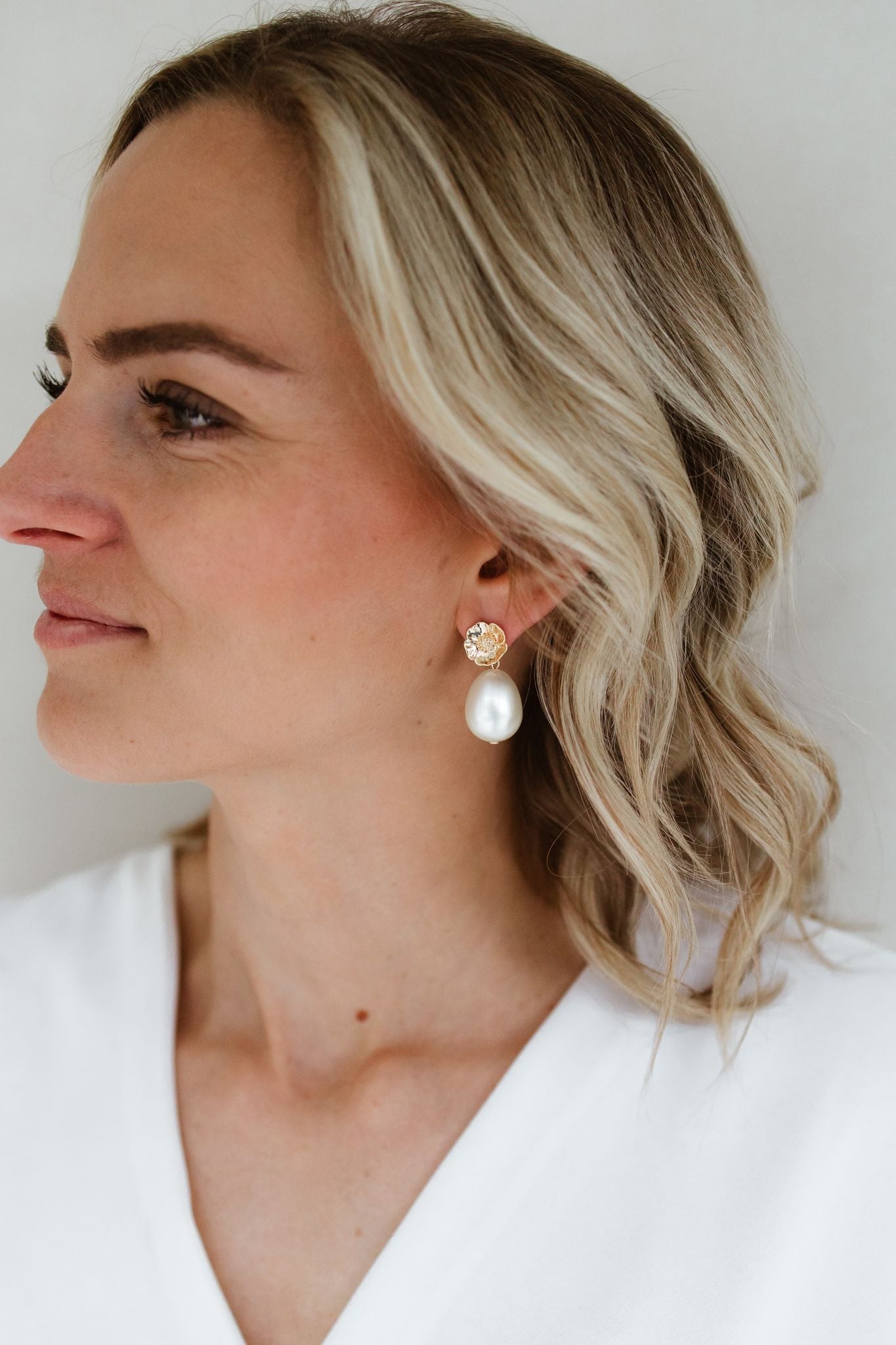
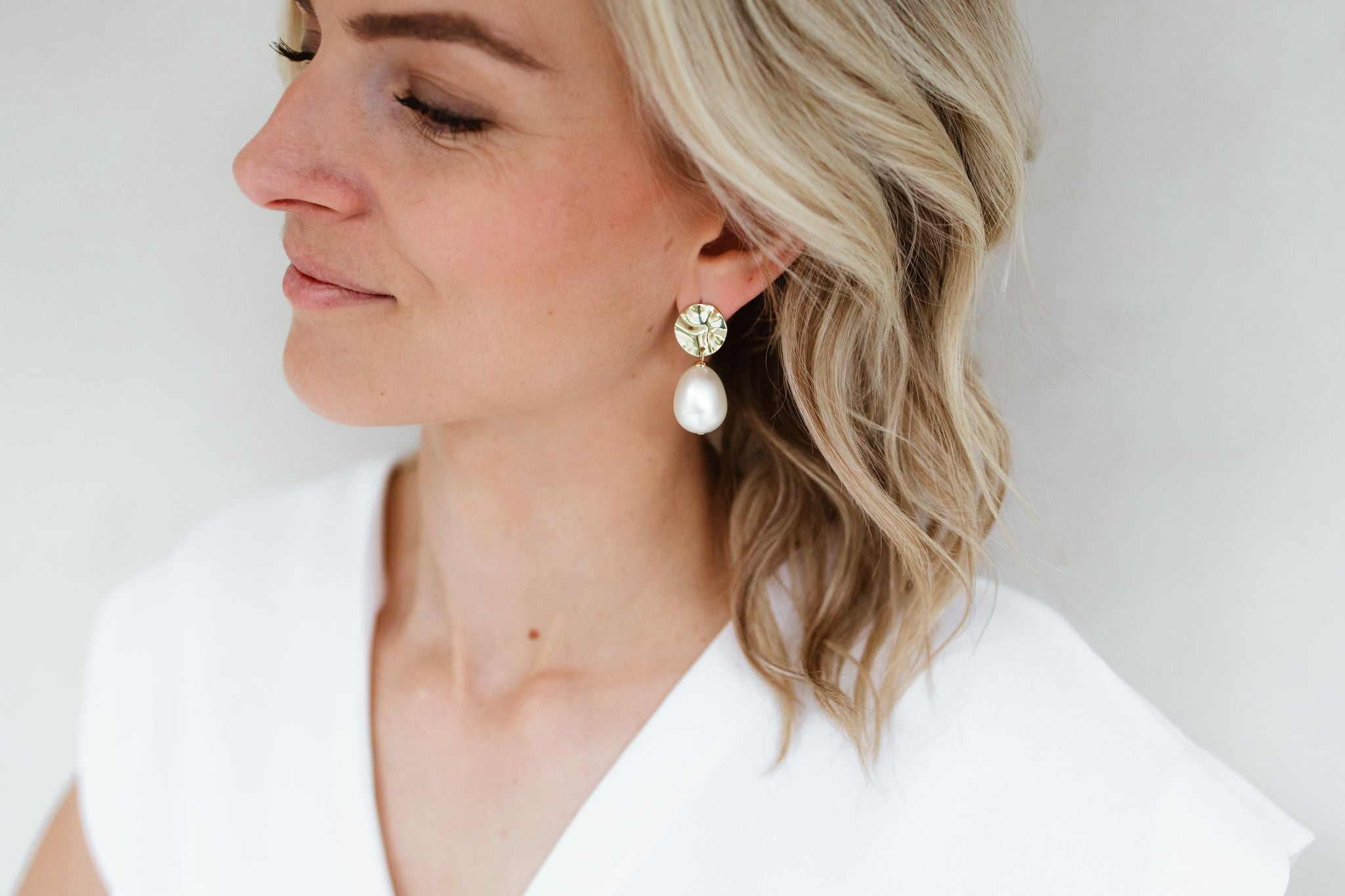
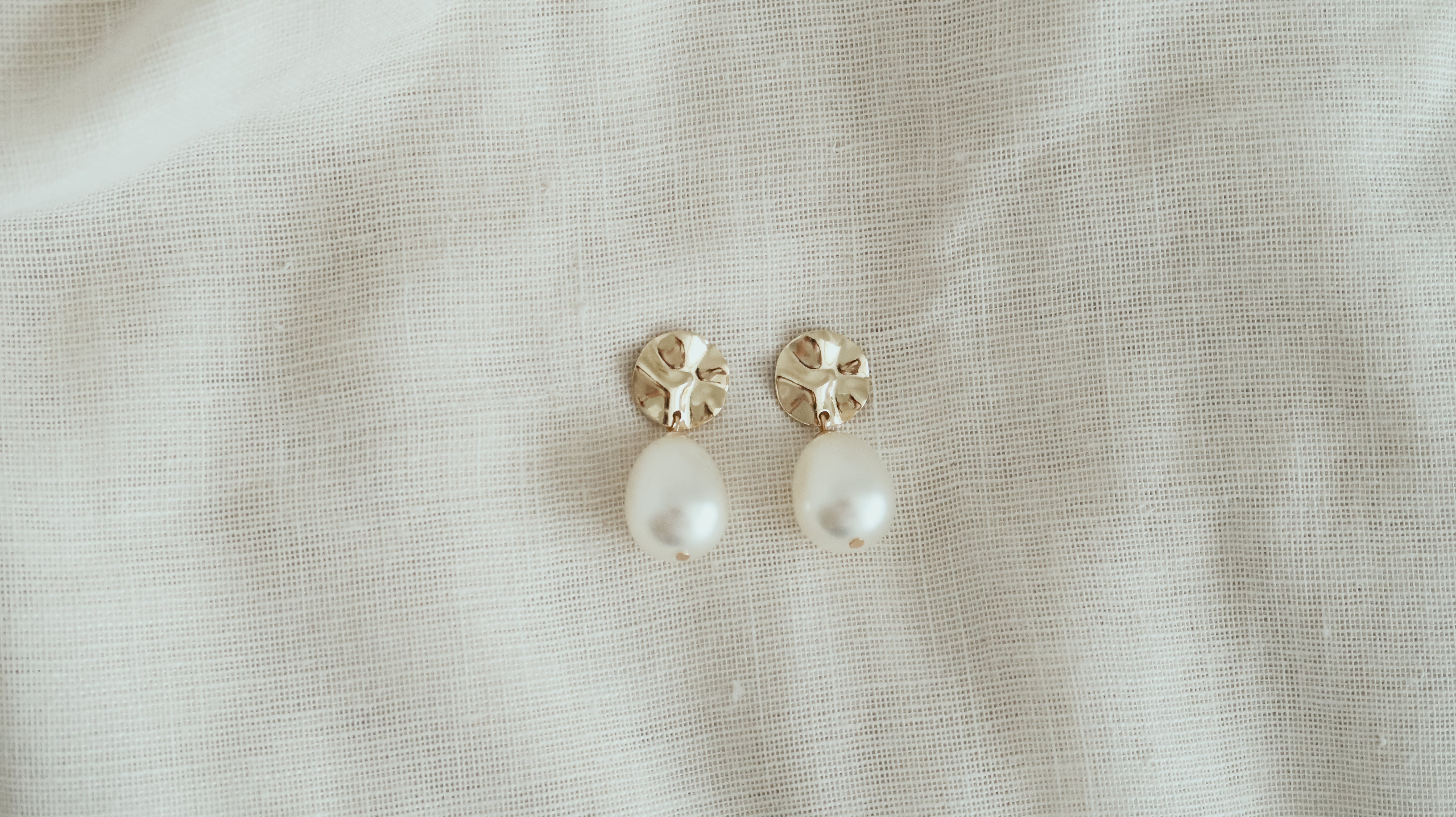
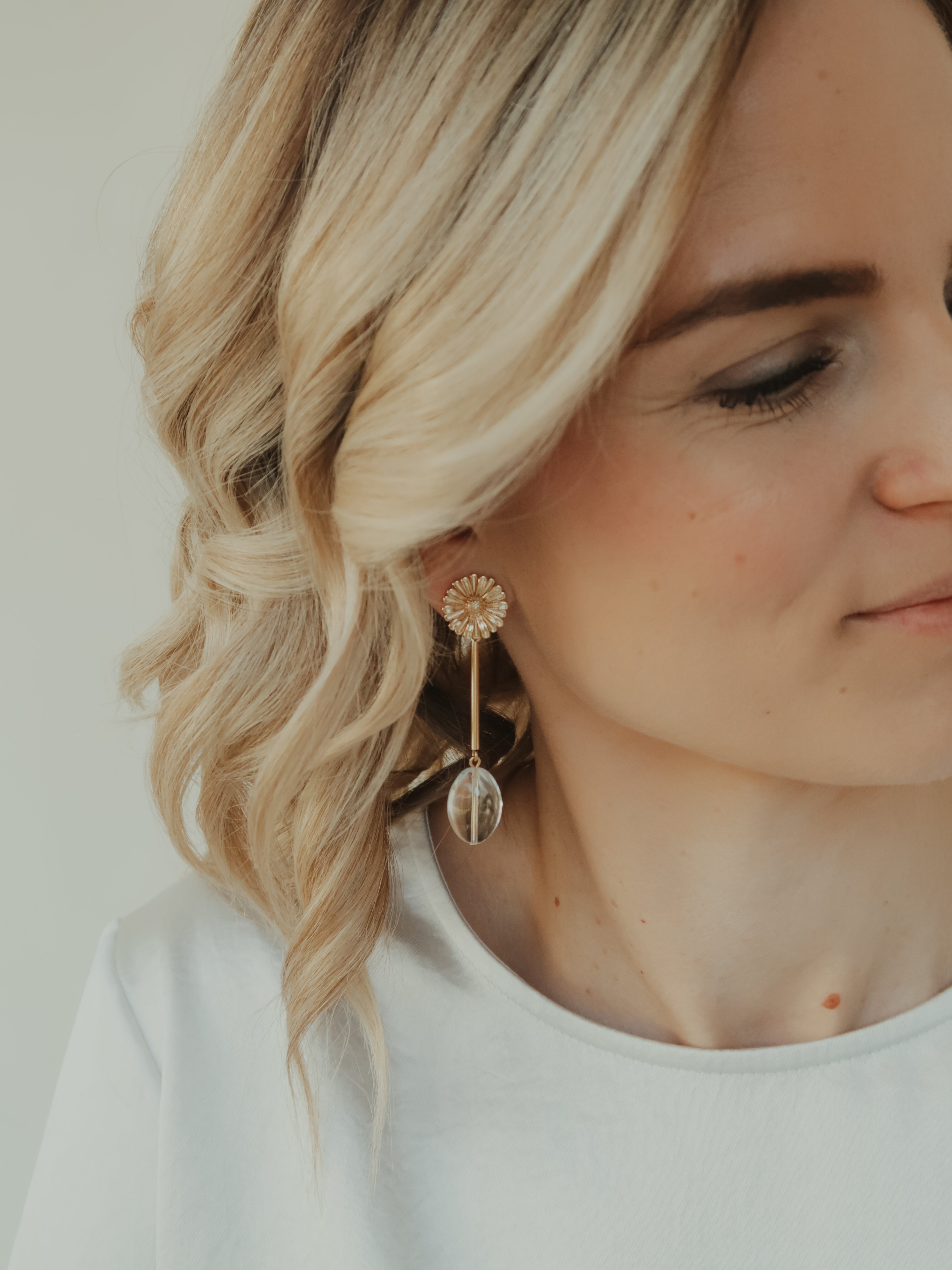
Once everything is calm again, it's time to consciously choose what your child wears. Many inexpensive children's earrings contain nickel, even if it's not always stated. Once someone has had a nickel reaction, they are usually permanently more sensitive. So choose nickel-free options. All Petit Bonbon earrings are 100% nickel-free, lead- and cadmium-free, and handmade in Dendermonde. For children's ears, small, light models work best: Ada Snow and Whisper White are classic favorites. For special occasions, a Mae Perle is a beautiful choice.
When to see a GP or pediatrician?
Call without hesitation if you see any of the following: fever, rapidly increasing swelling that extends beyond the ear, thick yellow or green pus, a soft and warm bump (possible abscess, read our guide on recognizing an earlobe abscess), or no improvement after 48 hours of consistent care. A GP can, if necessary, prescribe a mild anti-inflammatory or antibiotic.
How to prevent it from recurring?
Once everything is back to normal, material is the biggest structural gain. Choose a fixed set of two to three nickel-free children's earrings that you can alternate. Wash pillowcases weekly, keep short hair behind the ears during sleep, and rinse the ears for an additional two weeks after recovery. Also, read our guide on an inflamed ear piercing in children for gentle care step-by-step.
This is general information and not medical advice. If in doubt: consult your GP or pediatrician.
Shop dit artikel

Kind to sensitive ears
All Petit Bonbon earrings are 100% nickel-free, lead- and cadmium-free — handmade in Dendermonde, made to be worn comfortably every day.
Discover moreMake your outfit stand out
Handcrafted statement earrings







Inflamed ear piercing in your child: gentle care step by step
An infection of your child's ear piercing always feels more severe to parents than to the child themselves. The area is red, sensitive, sometimes slightly swollen - and you know that a small wound ...
Read more
Closed ear piercing: reopen or let it close?
You haven't worn your earrings for a few months, and suddenly you can't get them back in. A closed-up ear piercing can be annoying, especially if it was your favorite spot for jewelry. Before you t...
Read more
Leave a comment